


HMO Electrical Requirements & Licensing Standards
Throughout Liverpool, Manchester, Cheshire and the wider North West, HMO licensing authorities demand higher standards of fire safety, emergency lighting and electrical testing. DH Electrical Services delivers specialist HMO compliance solutions tailored to multi-occupancy properties and the stringent regulations they must meet.
The licensing framework for HMOs creates additional electrical safety obligations beyond those required for standard rental properties. While all landlords need EICRs, HMO operators face more intensive scrutiny during inspections. Local authorities across the North West interpret national standards with varying degrees of strictness - Manchester City Council, for instance, typically demands more comprehensive fire detection than some neighbouring boroughs.
HMO licensing exists under Part 2 of the Housing Act 2004, supplemented by the Housing Health and Safety Rating System. Failing electrical inspections can trigger licence revocation proceedings, potentially resulting in prosecution and substantial financial penalties. The compliance stakes run considerably higher than for standard rentals.
HMO electrical services
Everything a licensing officer is likely to ask about, carried out and documented by one NAPIT approved contractor.
Electrical Inspection & Testing
A valid EICR is a legal requirement for all rental properties in England. Our NAPIT-approved electricians carry out thorough inspections and provide certification accepted by local authorities and letting agents.
EICR testingPAT Testing
Furnished rentals and HMOs need portable appliances tested regularly. We inspect kettles, microwaves, lamps, and other plug-in items, providing labels and registers that demonstrate due diligence to tenants and insurers.
PAT testingFault Finding
Our electricians diagnose tripping circuits, faulty sockets, and intermittent issues quickly, getting your rental property back to full working order without unnecessary delays.
Fault findingEmergency Light Testing
HMOs and commercial properties require documented emergency lighting tests every six and twelve months. We inspect battery backups, illumination levels, and charging circuits, completing all logbook entries for licensing compliance.
Emergency lightingFire Alarm Testing
Licensed properties must demonstrate regular fire alarm testing to meet BS 5839 standards. We test detectors, sounders, and control panels at required intervals, providing certificates and logbook documentation for inspections.
Fire alarm testingHMO EICR Testing Requirements
EICR inspections for HMOs extend beyond the standard checks performed in single-occupancy rentals.
Our electricians in the North West pay particular attention to common areas, examining shared kitchen facilities, communal living spaces, corridors, and stairwells. The density of socket outlets often raises concerns in student HMOs, where multiple high-power devices might overload circuits designed for lower consumption patterns.
Common areas we focus on
- Shared kitchens
- Communal living spaces
- Corridors
- Stairwells
Paperwork councils ask for
- Floor plans
- Smoke detector positions
- Emergency lighting locations
- Consumer unit access
Documentation requirements differ slightly too. Many North West councils request supplementary information alongside standard EICR certificates, including floor plans identifying smoke detector positions, emergency lighting locations, and consumer unit accessibility.
We prepare comprehensive documentation packages formatted specifically for HMO licensing applications, reducing rejection risks and administrative delays.
Additional Circuit Protection for HMO Properties
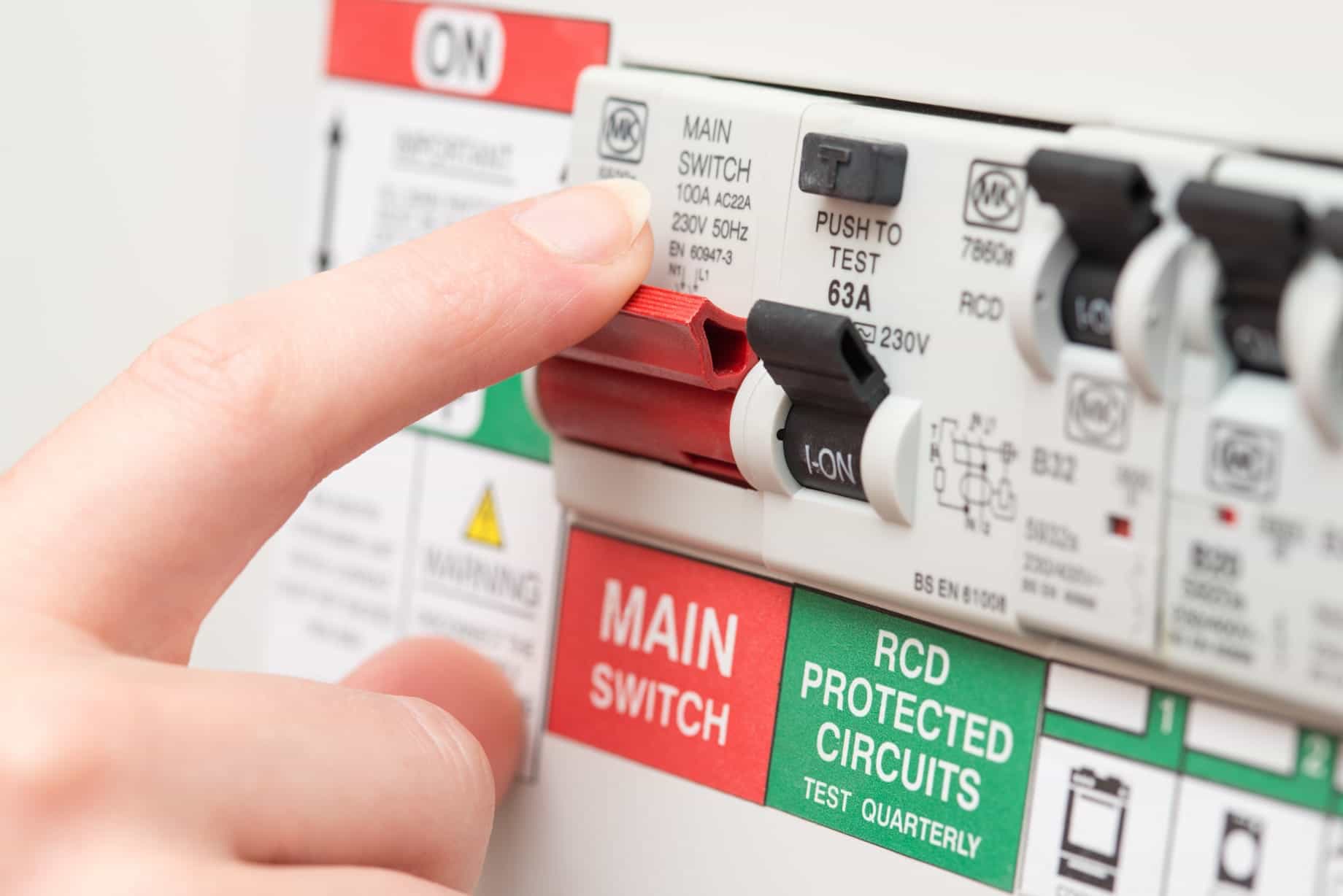
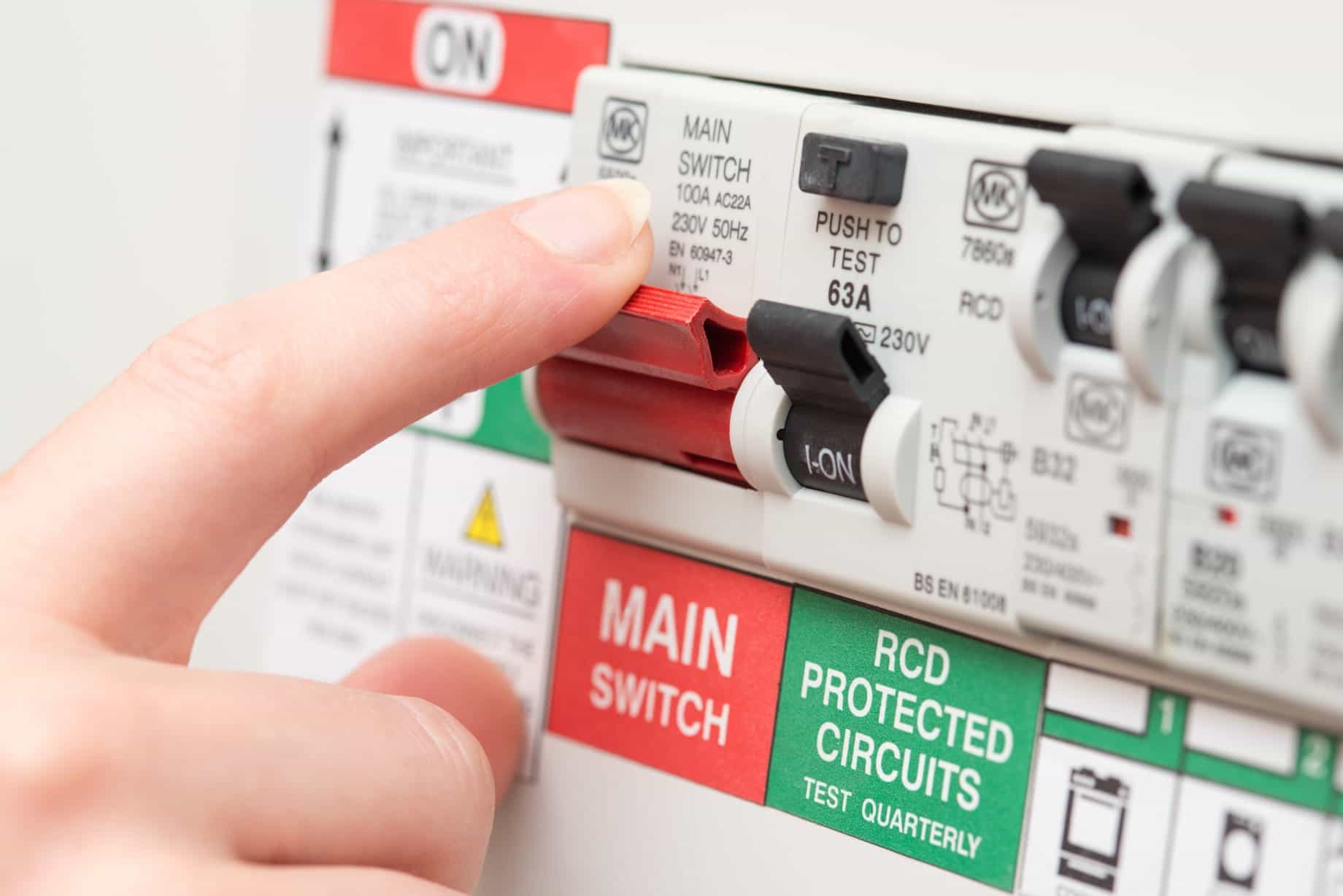
Circuit protection standards escalate significantly for multi-occupancy dwellings. Regulations typically mandate 30mA RCD protection for all circuits serving HMO properties, often necessitating consumer unit upgrades in older buildings. Shared cooking facilities require dedicated circuits with appropriate protection, while power supplies to individual bedrooms need proper isolation capabilities.
Many licensing authorities insist upon consumer units with metal enclosures rather than plastic alternatives, particularly in properties housing five or more occupants. The segregation of circuits between different occupancy zones frequently requires complex distribution board configurations, sometimes involving multiple consumer units strategically positioned throughout larger properties.
Fire Alarm Testing for HMOs
HMO fire detection requirements follow strict categorisation under BS 5839, with most licensable properties requiring Grade A systems in larger developments and Grade D in smaller conversions. The distinction proves crucial - Grade A systems incorporate control panels with zone indicators, while Grade D systems typically feature interlinked smoke alarms without centralised monitoring.
Larger developments. Control panels with zone indicators.
Smaller conversions. Interlinked smoke alarms without centralised monitoring.
The detection coverage necessary for HMO compliance significantly exceeds standard residential installations. Smoke detectors must protect all escape routes, with additional heat detection in kitchens and living areas. Many North West licensing schemes now demand enhanced LD1 coverage extending into all rooms where fires might start, not merely circulation spaces.
Emergency Lighting Testing for HMOs
BS 5266 standards govern emergency lighting in HMO properties, mandating illumination for all escape routes during power failures. The requirements extend beyond simple battery-backed bulbs, specifying precise lux levels, duration capabilities, and positioning parameters. Licensing authorities increasingly focus on emergency lighting compliance during inspections, recognising its critical role in evacuation scenarios.
Larger HMOs typically require more sophisticated emergency lighting solutions covering communal stairwells, corridors, external paths, and sometimes individual room exits. The complexity escalates with building size, often necessitating centralised battery systems in larger developments rather than standalone units. Our expertise covers both approaches, ensuring appropriate solutions for varied property portfolios.