
Why Your Plugs Keep Overheating and What to Do About It
Noticing your plugs are warm to the touch? This isn’t something to ignore. Overheating electrical plugs aren’t just an inconvenience – they represent a serious safety risk to your home and family. In the UK, electrical fires account for roughly 13,000 house…
Tell us what you need and we will come back to you the same working day.
 NAPIT ApprovedMember 66463
 Competent PersonRegistered, electrical
Noticing your plugs are warm to the touch? This isn’t something to ignore. Overheating electrical plugs aren’t just an inconvenience – they represent a serious safety risk to your home and family. In the UK, electrical fires account for roughly 13,000 house fires annually, with many starting from faulty or overheating plugs and sockets.
Understanding why plugs overheat and knowing what steps to take could quite literally save your life and property. Our North West electricians regularly encounter this dangerous issue in both homes and businesses – often after it’s already caused damage.
What are the warning signs of an overheating plug?
Before we dive into causes and solutions, it’s vital you know how to spot an overheating plug. Look out for these telltale signals:
- Unusual warmth – While plugs may feel slightly warm during normal operation, they should never be hot to touch. If you can’t keep your finger on a plug comfortably, there’s a problem.
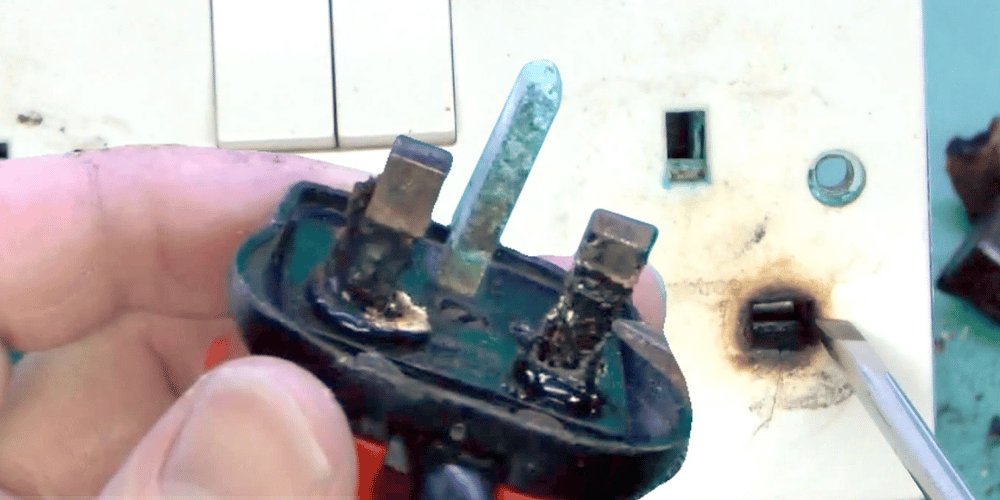
- Discoloration – Brown or black scorch marks around plug pins or sockets indicate heat damage has already occurred.
- Burning smell – That distinctive electrical burning odour is never normal and demands immediate attention.
- Sparks or crackling – Any visible sparking or audible crackling when inserting or removing plugs signals dangerous conditions.
- Melted plastic – If parts of the plug casing have begun to warp or melt, severe overheating has taken place.
- Frequently tripping breakers – If certain plugs consistently trip your circuit breakers, overheating could be the culprit.
Why should you take these warning signs seriously?
The consequences of ignoring overheating plugs can be severe. Electrical fires often start slowly, sometimes smouldering inside walls for hours before visible flames appear. By then, you’re dealing with a potentially catastrophic situation.
According to UK Fire Service statistics, electrical distribution issues (including faulty plugs and sockets) cause approximately 18% of accidental dwelling fires. These fires result in hundreds of injuries and dozens of fatalities yearly – tragedies that proper maintenance could have prevented.
What causes plugs to overheat in UK homes?
Understanding the root causes of plug overheating helps identify the right solution. Here are the most common reasons we encounter during our fault finding callouts:
How do loose connections lead to overheating?
When electrical connections become loose inside a plug or socket, electricity faces resistance as it travels through. This resistance generates heat – much like how an electric heater works, but unintentionally and uncontrolled. Over time, this heat builds up, potentially damaging insulation and creating fire hazards.
Loose connections often develop gradually. The repeated insertion and removal of plugs, physical impacts, or even normal vibration from appliance operation can contribute to this problem. Regular checks of your most frequently used plugs can help catch this issue early.
Why do overloaded circuits create heat problems?
Every electrical circuit in your home has a maximum capacity, measured in amps. When you demand more power than the circuit can safely deliver, components throughout the system – including plugs – can overheat.
This commonly happens with:
- Multiple extension leads – Daisy-chaining extensions creates dangerous loads on a single socket.
- High-power appliances sharing circuits – Running kettles, heaters, and washing machines on the same circuit can exceed safe limits.
- Adapter blocks – Those seemingly convenient multi-plug adapters often encourage overloading.
If your home regularly trips circuit breakers, it might be time for a fuseboard upgrade to handle modern power demands safely.
Are your old wiring systems to blame?
Many UK homes still rely on electrical systems installed decades ago. These aging installations weren’t designed for today’s power-hungry electronics and appliances. In properties with wiring over 25 years old, we frequently discover:
- Deteriorated insulation – Making short circuits and overheating more likely
- Oxidized connections – Creating higher resistance and heat
- Inadequate circuit capacity – Unable to handle modern demands safely
- Outdated safety standards – Lacking modern protection like RCDs
What role do damaged or poor-quality plugs play?
Not all plugs are created equal. Budget appliances often ship with minimal-quality plugs that barely meet safety standards. Meanwhile, damaged plugs with cracked casings, bent pins, or internal issues can create dangerous hot spots.
In our experience, the most problematic plugs include:
- Non-BS-certified imports – Sometimes lacking proper fuses or internal safety features
- Visibly damaged plugs – Particularly those with bent earth pins or loose casings
- Old-style round-pin plugs – These vintage connections rarely meet modern safety standards
- Plugs with incorrect fuse ratings – Creating potential for dangerous current levels
How can you prevent plugs from overheating?
Prevention is always better than dealing with the aftermath of electrical issues. Here are some practical steps to keep your plugs and electrical system healthy:
What simple checks can you perform yourself?
You don’t need electrical qualifications to catch early warning signs. Make these simple checks part of your regular home maintenance:
- Visual inspections – Check plugs and sockets monthly for discoloration, damage, or melting.
- Heat monitoring – Occasionally touch plugs (safely, after washing hands) during appliance operation to check for excessive warmth.
- Cord examinations – Look for fraying, splitting, or damage where cords enter plugs.
- Socket stability – Ensure sockets are firmly attached to walls and plugs fit securely without wobbling.
For businesses, regular PAT testing is not just good practice – it’s often required for insurance and legal compliance.
How important is the correct fuse rating?
UK plugs contain fuses for a reason – they’re your first line of defense against dangerous current levels. Using the wrong fuse rating negates this crucial safety feature:
- 3A fuses – For appliances up to 700W (table lamps, radios, small electronics)
- 5A fuses – For appliances between 700W and 1200W (small kitchen appliances)
- 13A fuses – For appliances over 1200W (kettles, heaters, washing machines)
When replacing fuses, always match the manufacturer’s recommendation. Using too high a rating allows excessive current to flow, creating overheating risks.
Why should you avoid overloading sockets?
Each socket in your home is designed to deliver a maximum amount of power safely. Exceeding this limit through extension leads or adapters forces components to handle more current than they’re designed for.
Follow these guidelines to avoid overloading:
- Check wattage ratings – Add up the total wattage of devices connected to a single socket – aim to stay under 3000W per standard socket.
- Use dedicated circuits – High-power appliances like electric showers, cookers, and boilers should have their own circuits.
- Install additional sockets – Rather than overusing extensions, consider having proper additional wall sockets installed.
- Choose quality extension leads – If extensions are necessary, select surge-protected, fused models with adequate cable thickness.
If you’re constantly searching for more socket space, our electricians can install additional socket points to eliminate dangerous workarounds.
When should you call a professional electrician?
While basic checks and preventive measures are suitable for homeowners, certain situations demand professional attention:
What persistent issues warrant immediate attention?
Don’t hesitate to call our NAPIT approved technicians at 07936250380 if you notice:
- Repeatedly tripping circuit breakers – Indicating potential overloads or short circuits
- Multiple overheating plugs – Suggesting wider electrical system issues
- Flickering lights – Often a sign of loose connections or voltage problems
- Buzzing or crackling sounds – Indicating arcing electricity
- Burning smells – Requiring immediate professional investigation
Our team provides comprehensive electrical inspection & testing to identify and resolve hidden dangers before they escalate to emergencies.
How can regular electrical inspections prevent problems?
Professional electrical inspections provide peace of mind and catch issues invisible to the untrained eye. For maximum safety, schedule:
- EICR (Electrical Installation Condition Report) – Every 5 years for rental properties, 10 years for homeowners, or when purchasing a property
- Periodic socket and switch checks – Every 2-3 years for heavily used areas
- Post-renovation inspections – After any significant home improvements
- Age-based assessments – More frequent checks for properties over 25 years old
Modern safety enhancements like LED lighting installation can also reduce system strain while decreasing energy bills – a win-win for safety and efficiency.
Protect your home with our professional electrical services
Overheating plugs are often just the visible symptom of deeper electrical issues. While the tips in this guide help identify and prevent common problems, nothing replaces professional assessment of your home’s electrical health.
DH Electrical Services provides affordable, high-quality electrical solutions throughout the North West, including comprehensive digital marketing and SEO services in Wigan and surrounding areas. Our NAPIT approved technicians deliver competitive pricing without compromising on quality or safety.
From urgent fault resolution to preventive maintenance and home security through WiFi security alarms, our Liverpool-based electricians have the expertise to keep your property safe and your electrical systems running smoothly.
Don’t wait for small issues to become dangerous emergencies. Contact DH Electrical Services today at 07936250380 for a no-obligation assessment and quote. Your family’s safety is worth the call.
What this guide is based on
The standards, rules and job records behind the figures above.
- BS 7671:2018+A2:2022. The wiring regulations every inspection is coded against, so C1, C2 and C3 mean the same thing whoever carries out the test.
- NAPIT scheme rules. What an approved contractor has to hold, record and report, including the certification we issue after every job.
- Our own job records across Liverpool and Merseyside. The figures above come from work we have actually priced and carried out, not from a national average.
Checked on 28 February 2025 by Dave Harvey, NAPIT approved contractor, member 66463. Rules change, so if you are reading this a long way after that date, give us a ring and we will tell you where it stands.
Related reading

How Long Does a Landlord Have to Fix an Electrical Fault?
A tenant rings on a Friday night to say half the sockets have stopped working and there is a smell of burning…
Fault Finding
The Best Tools for DIY Electrical Fault Finding and How to Use Them
Encountering an electrical fault at home can be both frustrating and concerning. While many homeowners in the North West might immediately reach…
Fault Finding
The Dangers of Ignoring Minor Electrical Faults in Your Property
Minor electrical faults might seem like mere inconveniences - a light that flickers occasionally, a socket that feels warm to the touch,…
The work behind it
Fault Finding
Tracing the circuit that keeps tripping, rather than guessing at it, and putting the fault right the same visit wherever we can.
Fuseboard Upgrades
Swapping out old rewireable fuses and tired boards for a modern RCBO unit, tested, certified and notified under Part P within 36 hours.
Electrical Inspection & Testing
Full Electrical Installation Condition Reports for landlords, homeowners and businesses, with the certificate issued within 24 hours and remedials priced up front.
