
The Dangers of Ignoring Minor Electrical Faults in Your Property
Minor electrical faults might seem like mere inconveniences – a light that flickers occasionally, a socket that feels warm to the touch, or a circuit breaker that trips now and then. Many homeowners across the North West dismiss these small issues, placing…
Tell us what you need and we will come back to you the same working day.
 NAPIT ApprovedMember 66463
 Competent PersonRegistered, electrical
Minor electrical faults might seem like mere inconveniences – a light that flickers occasionally, a socket that feels warm to the touch, or a circuit breaker that trips now and then. Many homeowners across the North West dismiss these small issues, placing them at the bottom of their to-do lists. This common oversight, however, could be putting your family, property, and finances at serious risk.
Left unchecked, these seemingly trivial electrical problems can escalate into dangerous hazards that threaten your home’s safety.
What Are the Most Common Electrical Faults in UK Homes?
Before diving into the dangers, it’s worth familiarising yourself with the most prevalent minor electrical issues that plague UK properties:
- Frequently tripping circuit breakers – While occasional trips protect your system from overloads, regular occurrences indicate an underlying problem that requires professional fault finding services.
- Flickering lights – Often dismissed as a simple bulb issue, persistent flickering typically signals loose connections or circuit problems that can worsen over time.
- Burning smells near outlets or switches – Any electrical burning odour indicates overheating components and should never be ignored, even if intermittent.
- Discoloured sockets or switches – Browning or blackening around electrical points reveals dangerous heat build-up that precedes potential fires.
- Buzzing sounds from outlets – Electrical systems should operate silently; any buzzing suggests arcing electricity that generates excessive heat.
According to Electrical Safety First, faulty electrical installations and appliances cause more than 20,000 house fires in the UK annually. Many begin with minor faults that homeowners dismissed as “not serious enough” to address immediately.
Why Do Small Electrical Problems Become Dangerous?
The progression from minor annoyance to major hazard happens through a combination of physical deterioration and cumulative effects:
How Does Fire Risk Increase Over Time?
Minor electrical faults often involve compromised insulation or connections that generate heat. This excess heat gradually damages surrounding materials, reducing their heat resistance. What begins as a warm socket might eventually become a ignition point when:
- Loose connections – Create resistance that generates heat, which deteriorates wire insulation and nearby materials until they reach combustion temperatures.
- Overloaded circuits – Force wiring to carry more current than designed for, generating heat that compounds with each use.
- Arc faults – Produce temperatures exceeding 1,800°C that can instantly ignite surrounding materials if the arcing becomes sustained.
The UK Fire and Rescue Services attend approximately 37,000 house fires each year, with electrical distribution and appliance faults representing the single largest cause.
What Happens to Your Energy Bills?
Beyond safety concerns, minor electrical faults silently inflate your energy costs:
Faulty wiring creates resistance, forcing your electrical system to work harder to deliver the same power. This inefficiency can add 5-20% to your energy bills – a substantial amount given today’s rising energy costs. A household paying £1,500 annually for electricity might unknowingly waste £75-£300 on inefficiencies from minor faults.
What Warning Signs Should Never Be Ignored?
Your property will typically provide clear indications of developing electrical problems if you know what to look for:
| Warning Sign | Potential Underlying Issue | Risk Level |
|---|---|---|
| Frequent circuit breaker trips | Overloaded circuit or short circuit | High |
| Hot plugs, sockets or switches | Loose connections or overloaded circuit | Very High |
| Buzzing sounds from outlets | Arcing electricity | High |
| Burning smell | Overheating components | Immediate Danger |
| Discoloured outlets | Previous overheating | High |
| Mild electric shocks | Earth leakage or faulty appliance | Very High |
If you notice any of these warning signs, arranging for professional electrical inspection & testing should become an immediate priority rather than a future consideration.
How Do UK Electrical Safety Regulations Protect Homeowners?
The UK has robust regulations designed to maintain electrical safety standards:
All electrical work must comply with Part P of the Building Regulations, which requires that any major electrical installation work in domestic properties is either carried out by a registered competent person (like our NAPIT approved technicians) or inspected by building control to ensure safety.
For landlords, the Electrical Safety Standards in the Private Rented Sector Regulations 2020 mandate electrical safety checks every five years. However, for homeowners, while not legally required, the Electrical Safety Council recommends:
- Visual checks – Monthly visual inspections of sockets, switches and visible wiring for signs of damage.
- Professional inspections – An Electrical Installation Condition Report (EICR) every 10 years for owner-occupied homes, or when purchasing a property that’s over 10 years old.
- RCD testing – Regular testing of Residual Current Devices that protect against electric shocks.
What Are the Financial Implications of Delaying Repairs?
Procrastinating on electrical repairs often leads to substantially higher costs:
How Much Can Early Intervention Save?
The economics of early electrical fault intervention are compelling:
- Minor fault repair – Typically costs £80-£200 depending on complexity.
- Major electrical damage repair – Can cost £500-£2,000+ when the issue has progressed and affected multiple system components.
- Full rewiring after electrical fire
- Property damage beyond electrical systems – Fire or water damage from electrical faults can run into tens of thousands of pounds.
Beyond repair costs, consider the disruption to your life when a minor issue becomes a major emergency. Emergency callouts are more expensive, and the inconvenience of having essential electrical systems offline impacts your daily routine.
When Should You Consider a Complete Electrical System Upgrade?
Sometimes addressing individual faults isn’t enough, particularly in older properties:
- Properties with consumer units over 25 years old – Older fuseboards lack modern safety features like RCDs. A modern fuseboard upgrade dramatically improves safety.
- Homes with persistent electrical issues – If you’re frequently experiencing problems, this indicates wider system weaknesses.
- Properties with increased power demands – Modern homes use significantly more electrical devices than when many older systems were installed.
- Homes with aluminium wiring – Some properties built between the 1960s and 1970s used aluminium wiring, which deteriorates faster than copper and poses higher fire risks.
An aging electrical system struggling with today’s power demands is like an accident waiting to happen. Investing in modernisation not only improves safety but can reduce energy consumption through more efficient design and technologies like LED lighting installation.
Why Is Professional Electrical Testing Essential?
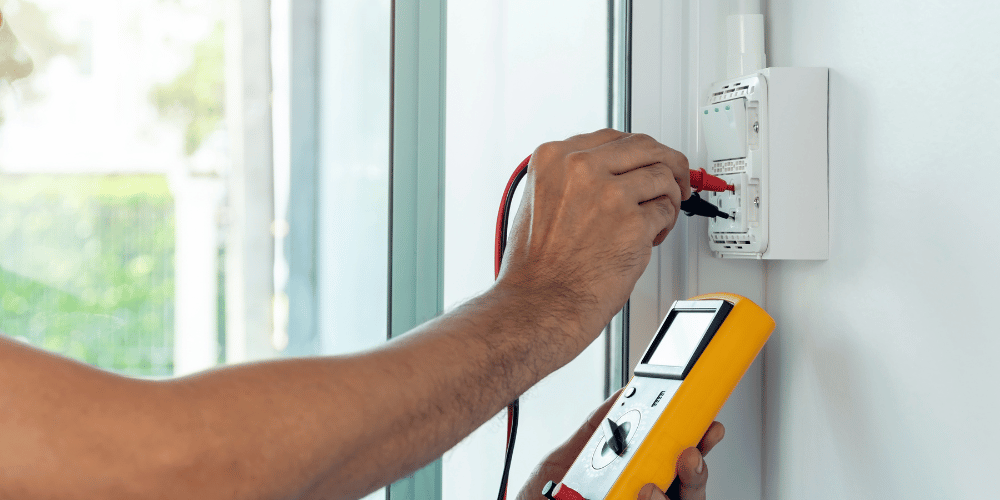
While homeowners can visually identify some warning signs, professional testing reveals hidden dangers:
- Thermal imaging – Detects hidden hotspots in walls and ceilings before they become fire hazards.
- Earth loop impedance testing – Ensures your earthing system will function correctly during a fault, preventing electric shocks.
- Insulation resistance testing – Identifies degraded insulation before it fails completely.
- RCD performance testing – Verifies these vital safety devices will trip within the required timeframe to prevent electrocution.
Professional PAT testing of portable appliances complements fixed wiring inspections by ensuring devices you plug in don’t introduce additional hazards.
How Can You Protect Your Property Between Professional Inspections?
While professional testing is essential, homeowners should implement regular safety practices:
- Monthly breaker tests – Test RCDs using their test button to ensure they’re functioning correctly.
- Load management – Avoid overloading circuits by distributing high-demand appliances across different circuits.
- Appliance inspection – Regularly check appliance cables for damage or wear, particularly where they bend or enter the appliance.
- Enhanced security – Consider WiFi security alarms that can detect unusual electrical activity or integrate with smoke detectors.
Maintaining a relationship with qualified electricians in Liverpool and throughout the North West means you’ll have trusted professionals to call when you notice concerning signs.
Don’t Wait Until It’s Too Late: Protect Your Property Now
Minor electrical faults aren’t merely inconveniences – they’re early warning signs that demand attention. The stakes are simply too high to ignore them: your family’s safety, your property’s integrity, and your financial wellbeing all hang in the balance.
At DH Electrical Services, our NAPIT approved technicians provide affordable, high-quality electrical services throughout the North West. We understand that preventative maintenance seems like an optional expense, but our decades of experience have shown us the devastating consequences of delayed action.
Whether you need a comprehensive electrical inspection or have noticed warning signs requiring professional fault finding, our team provides competitive pricing without compromising on quality or safety. Our electricians serving Wigan and surrounding areas are just a phone call away at 07936 250380.
Don’t let minor faults become major disasters – contact DH Electrical Services today for peace of mind and protection for your property’s electrical systems.
What this guide is based on
The standards, rules and job records behind the figures above.
- BS 7671:2018+A2:2022. The wiring regulations every inspection is coded against, so C1, C2 and C3 mean the same thing whoever carries out the test.
- NAPIT scheme rules. What an approved contractor has to hold, record and report, including the certification we issue after every job.
- Our own job records across Liverpool and Merseyside. The figures above come from work we have actually priced and carried out, not from a national average.
Checked on 30 May 2025 by Dave Harvey, NAPIT approved contractor, member 66463. Rules change, so if you are reading this a long way after that date, give us a ring and we will tell you where it stands.
Related reading

How Long Does a Landlord Have to Fix an Electrical Fault?
A tenant rings on a Friday night to say half the sockets have stopped working and there is a smell of burning…
Fault Finding
The Best Tools for DIY Electrical Fault Finding and How to Use Them
Encountering an electrical fault at home can be both frustrating and concerning. While many homeowners in the North West might immediately reach…
Fault Finding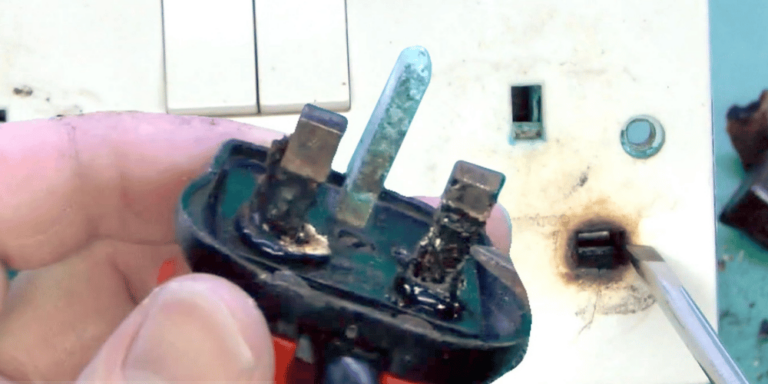
Why Your Plugs Keep Overheating and What to Do About It
Noticing your plugs are warm to the touch? This isn't something to ignore. Overheating electrical plugs aren't just an inconvenience – they…
The work behind it
Fault Finding
Tracing the circuit that keeps tripping, rather than guessing at it, and putting the fault right the same visit wherever we can.
Fuseboard Upgrades
Swapping out old rewireable fuses and tired boards for a modern RCBO unit, tested, certified and notified under Part P within 36 hours.
Electrical Inspection & Testing
Full Electrical Installation Condition Reports for landlords, homeowners and businesses, with the certificate issued within 24 hours and remedials priced up front.
