


Is Electrical Testing a Legal Requirement for Landlords?
Ensuring tenant safety is a fundamental responsibility held by landlords providing rental accommodations. With the inherent dangers surrounding electrical systems and components, regular professional testing is vital to mitigate risks and ensure legal obligations are upheld. But is arranging these facility checks…
Tell us what you need and we will come back to you the same working day.
 NAPIT ApprovedMember 66463
 Competent PersonRegistered, electrical
Ensuring tenant safety is a fundamental responsibility held by landlords providing rental accommodations. With the inherent dangers surrounding electrical systems and components, regular professional testing is vital to mitigate risks and ensure legal obligations are upheld. But is arranging these facility checks an explicit legal requirement for landlords?
What standards apply when assessments are conducted? This article will clarify the electrical test duties and processes now facing property owners in 2024 and onwards.
Understanding Electrical Safety Legislation for Landlords
While no laws specifically mandate testing for landlords as an isolated requirement, legal duties around safety do apply and make electrical checks a necessity:
The Electricity at Work Regulations 1989 require that any electrical equipment used by employees must be in a safe condition for operation. Within rental properties housing tenants, landlords have a duty to ensure the electrical installations and appliances provided are safe to use. Regular professional testing by a qualified electrician is the only way to reliably verify this.
Additionally, the Electrical Safety Standards in the Private Rented Sector (England) Regulations 2020 also place a range of specific legal duties on landlords to meet electrical safety standards. This includes mandating checks by competent inspectors at least every 5 years.
By arranging regular, thorough electrical inspection and testing, landlords can guarantee they meet these longstanding regulations. Failure to assess electrical safety risks non-compliance with legal standards, leaving landlords vulnerable to improvement notices, fines and prosecution. Effectively, periodic electrical checks are a mandatory process.
Breaking Down the Key Electrical Safety Regulations
To clarify the legal standards in this area, the core electrical safety regulations applicable to rental properties are:
Electricity at Work Regulations 1989
These regulations outline the broad requirement that any electrical equipment used by employees or tenants must be in safe working condition. Regular inspection and testing is therefore needed to meet this standard.
Key provisions:
- Electrical systems must be safe for tenant use
- Landlords must verify safety through checks
Electrical Safety Standards in the Private Rented Sector (England) Regulations 2020
Making electrical safety standards more explicit, these regulations tackle obligations in rental properties. They require specific electrical installation testing carried out by qualified inspectors.
Key requirements:
- Professionally inspected every 5 years
- Remedial work must address any faults found
- Tenants provided copies of electrical reports
By meeting both these longstanding sets of regulations through periodic testing, landlords avoid almost all legal risks related to electrical safety. The 5-yearly checks and repairs are therefore effectively mandatory for all private rental properties in order to meet official standards.
Clarifying What Electrical Testing Involves
The term electrical testing refers to thorough safety checks carried out by professionally qualified and accredited electricians. The purpose is assessing the current condition of fixed wiring systems and components supplying electrical power across a property.
Importantly, electrical testing does not cover portable appliances like televisions, fridges or computers. These fall outside the scope of fixed installation checks.
Understanding Fixed Wiring System Inspections
The key focus of legally required electrical testing is a rental property’s fixed internal wiring infrastructure. This includes:
- Main fuse boxes (consumer units)
- Light fittings
- Wall sockets
- Light switches
- Underfloor heating systems
- Any permanent wiring or cabling
When conducting checks, electricians aim to identify:
- Signs of deterioration
- Risks of overloading
- Electric shock or fire hazards
- Any defective or unfinished electrical work
Testing determines if existing electrics meet modern safety standards, spotting any damage or defects needing remedial repairs for tenant safety. Assessments involve both visual elements and electrical performance tests.
Timescales – When Electrical Testing is Legally Necessary
To comply with current regulations, landlords must:
- Arrange 5-yearly periodic testing of complete electrical installations
- Undertake repairs to address any faults or risks found
Once inspections are finished, landlords need to furnish sitting tenants with copies of the full electrical safety report within 28 days. For any new tenant, a copy of the report must also be provided before they move into the property.
After testing, an Electrical Installation Condition Report (EICR) will typically be issued. This documents either:
- Confirmation that electrical installations are satisfactory, with no issues found.
- Details on any problems detected and categorisation of repairs required to make the installation safe.
For a property newly built or completely rewired within the past 5 years, an alternative form of certification may be held – an Electrical Installation Certificate (EIC). This also suffices as proof of compliant, safe electrics.
Stricter Standards for Houses in Multiple Occupation
Tighter legal standards apply for rental properties classified as houses in multiple occupation (HMOs). This covers any property occupied by 3 or more unrelated tenants sharing facilities like a kitchen or bathroom.
Electrical safety is now a mandatory licence condition for both small and large HMOs facing council licensing schemes. Checks and repairs must meet licence terms to avoid enforcement action.
| HMO Type | Definition | Key Electrical Requirements |
|---|---|---|
| Small HMO | 3-6 unrelated occupants | – 5-yearly EICR testing – Necessary remedial repairs |
| Large HMO | 7+ unrelated occupants | – 5-yearly EICR testing – Necessary remedial repairs |
Landlords failing to arrange testing for HMOs face significant penalties through licensing non-compliance.
Legally Mandatory Remedial Repair Work
Where testing processes uncover significant electrical safety issues, repairs become a legal necessity. Assessment reports use classification codes to indicate fault severity:
- Code 1 (C1): Danger present – Risk of injury. Urgent remedial work.
- Code 2 (C2): Potentially dangerous defects. Priority repairs needed.
For these high-risk categories, landlords must:
- Complete necessary remedial repairs within 28 days
- Provide written confirmation to tenants and the local council when repairs finished
Failure to undertake remedial work dictated by electrical inspection reports prompts tough enforcement action by local authorities. This includes fines, the council arranging repairs themselves, and recovering costs from landlords.
Landlord Defences Against Enforcement
If reasonable efforts were made to access properties and appoint qualified electricians, but external barriers prevented completing repairs, landlords can contest any enforcement action proposed. Documented evidence of steps taken is vital for a defence in such scenarios.
Factors like tenants repeatedly denying access or severe electrician shortages demonstrating service attempts can justify enforcement delays.
Non-Compliance Outcomes – Fines and Penalties
Breach of electrical testing or remedial work responsibilities allows councils to impose strict punishments, including:
- Fines up to £40,000 per offence
- Council-completion of repairs then charging landlords
Before significant enforcement action proceeds, landlords receive a remedial notice outlining electrical non-compliances, with 21 days to submit written representations to their council. This temporarily suspends notices while arguments are considered.
Ultimately landlords retain full rights to formally appeal any enforcement decisions through the First-tier Tribunal (Property Chamber). But prompt remedial work provides the best solution to avoid penalties.
Conclusion – Electrical Testing Essentials for Landlords
Regular professional electrical installation testing is now an essential legal duty facing rental property owners. Appointing certified electricians to conduct thorough 5-yearly checks, followed by any necessary repairs, is key to guaranteeing tenant safety and achieving full regulatory compliance.
Neglecting these assessment processes leaves landlords vulnerable to improvement notices, major fines and prosecution – so early action booking obligation inspections is key.
For NAPIT-registered, competitively priced electrical testing services from DH Electrical’s fully qualified electricians across the North West, contact us today. Our team of electricians in Liverpool delivers meticulous, comprehensive inspections to keep rental properties legally compliant and tenant risk to an absolute minimum.
What this guide is based on
The standards, rules and job records behind the figures above.
- BS 7671:2018+A2:2022. The wiring regulations every inspection is coded against, so C1, C2 and C3 mean the same thing whoever carries out the test.
- The Electrical Safety Standards in the Private Rented Sector (England) Regulations 2020. The five year inspection duty and the 28 day rule for giving tenants a copy of the report.
- NAPIT scheme rules. What an approved contractor has to hold, record and report, including the certification we issue after every job.
- Our own job records across Liverpool and Merseyside. The figures above come from work we have actually priced and carried out, not from a national average.
Checked on 26 June 2024 by Dave Harvey, NAPIT approved contractor, member 66463. Rules change, so if you are reading this a long way after that date, give us a ring and we will tell you where it stands.
Related reading

Common EICR Failures and How to Prevent Them
Electrical safety stands as a cornerstone of property maintenance, with Electrical Installation Condition Reports (EICRs) serving as the primary health check for…
Inspection & Testing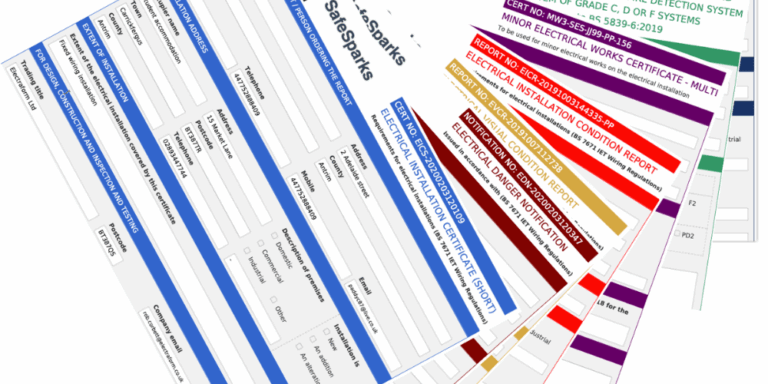
Understanding the Different Types of Electrical Certificates in the UK
Navigating the world of electrical certificates in the UK can feel like wading through a complex maze of regulations and paperwork. For…
Inspection & Testing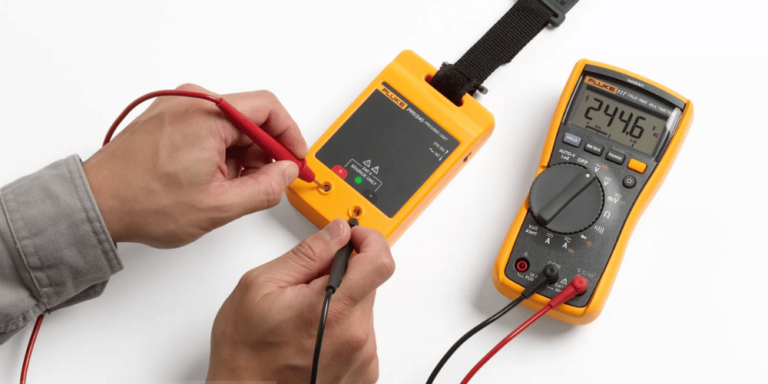
How to Test Electrical Outlet with Digital Multimeter
Testing electrical outlets is a crucial aspect of home maintenance and safety. Whilst it may seem daunting at first, using a digital…
The work behind it
Electrical Inspection & Testing
Full Electrical Installation Condition Reports for landlords, homeowners and businesses, with the certificate issued within 24 hours and remedials priced up front.
Fuseboard Upgrades
Swapping out old rewireable fuses and tired boards for a modern RCBO unit, tested, certified and notified under Part P within 36 hours.
Landlord Electricians
EICRs, fire alarm testing and emergency lighting for rented property across Liverpool, booked around your tenants and certified the same week.