

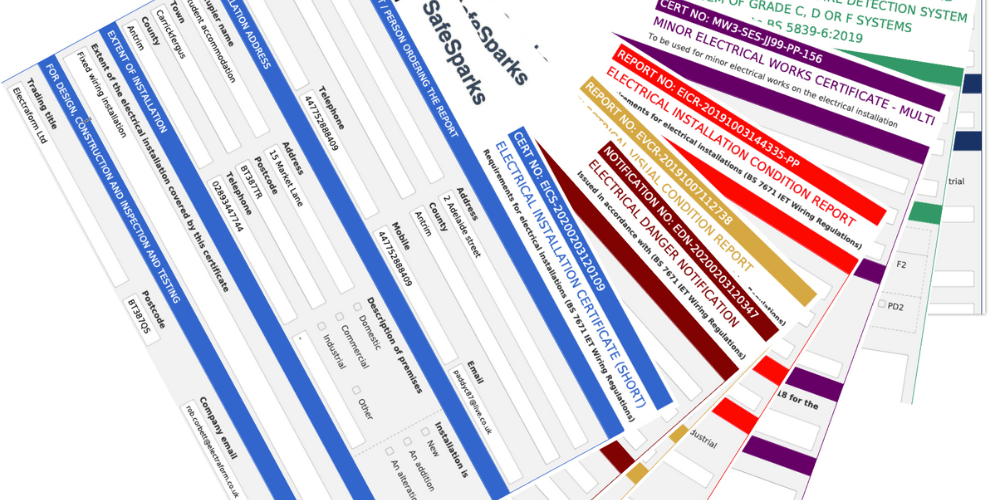
Understanding the Different Types of Electrical Certificates in the UK
Navigating the world of electrical certificates in the UK can feel like wading through a complex maze of regulations and paperwork. For homeowners, landlords, and business owners, understanding which certificates you need – and when – is crucial not just for legal…
Tell us what you need and we will come back to you the same working day.
 NAPIT ApprovedMember 66463
 Competent PersonRegistered, electrical
Navigating the world of electrical certificates in the UK can feel like wading through a complex maze of regulations and paperwork. For homeowners, landlords, and business owners, understanding which certificates you need – and when – is crucial not just for legal compliance, but for ensuring the safety of everyone who uses your property. These documents aren’t mere formalities; they’re vital safeguards that confirm your electrical installations and appliances meet current safety standards.
The right certificate proves you’ve taken proper care to maintain electrical safety. The wrong one – or none at all – could leave you legally exposed, invalidate your insurance, and potentially put lives at risk. With electrical faults responsible for thousands of house fires each year across the UK, these certificates represent much more than simple bureaucracy.
What is an Electrical Installation Condition Report (EICR)?
The EICR is perhaps the most common electrical certificate in the UK property market. This comprehensive assessment examines the condition of existing electrical installations against the current BS 7671 wiring regulations.
During an EICR, a qualified electrician conducts a detailed inspection of your property’s electrical systems, looking for:
- Potential electric shock risks and fire hazards – Your inspector will identify any exposed wiring, damaged sockets or other issues that pose immediate danger
- Defective electrical work – Any installations that don’t meet current regulations will be flagged
- Lack of earthing or bonding – These critical safety components prevent serious electric shocks
- Overloaded circuits – Which can cause overheating and fires if left unaddressed
For landlords, EICRs are a legal requirement, needing renewal every five years. Homeowners should ideally have one performed every 10 years, or when buying/selling property. The report classifies issues as C1 (dangerous), C2 (potentially dangerous), or C3 (improvement recommended).
Need to ensure your property’s electrical systems meet current safety standards? Our Electrical Inspection & Testing service provides comprehensive EICRs with clear explanations of any issues found.
When would I need an Electrical Installation Certificate (EIC)?
Unlike an EICR which checks existing installations, an Electrical Installation Certificate (EIC) is issued when new electrical installations are added to your property. You’ll need an EIC whenever:
- A full rewire is completed – Whether in a new build or as part of a renovation
- A new circuit is installed – Such as dedicated circuits for electric showers or cookers
- A new consumer unit (fuseboard) is fitted – Modern units provide better protection than older ones
The EIC confirms that the new installation complies with BS 7671 (the UK standard for electrical installations). It contains detailed test results and must be completed by a qualified electrician. This certificate should be kept safe as long as the installation exists – it may be required when selling your property or for insurance purposes.
What’s a Minor Electrical Installation Works Certificate (MEIWC)?
Not all electrical work requires a full EIC. For smaller jobs that don’t involve creating a complete new circuit, a Minor Electrical Installation Works Certificate (MEIWC) is appropriate. These typically cover:
- Adding sockets to an existing circuit – Perfect when you need extra power points
- Replacing a damaged socket or light fitting – Ensuring the replacement meets current standards
- Installing additional lighting points – Such as adding spotlights to your kitchen
The MEIWC confirms that the minor work complies with BS 7671 regulations and includes basic test results. While less comprehensive than an EIC, it’s still an important document that demonstrates the work meets safety standards.
If you’re experiencing electrical problems and need minor works completed, our Fault Finding service identifies issues and provides proper certification for any remedial work.
How does Building Regulations Part P certification work?
Building Regulations Part P specifically addresses electrical safety in domestic properties. It requires that anyone carrying out electrical installation work in homes must ensure it meets safety requirements. For most significant electrical work, this means either:
1. Having the work done by a registered competent person (like our NAPIT approved electricians), who can self-certify and issue a Part P certificate, or
2. Having work inspected and approved by the local authority building control or an approved inspector
Part P certification is particularly important for any electrical work in “special locations” such as bathrooms or swimming pool areas, where water increases electrical risk. Failing to comply with Part P can lead to penalties, difficulties selling your property, and potentially invalidate your home insurance.
When you’re upgrading your home’s electrical systems, our Fuseboard Upgrades service includes all necessary Part P certification, ensuring your installation fully complies with building regulations.
Is a PAT testing certificate a legal requirement?
PAT (Portable Appliance Testing) certificates relate to movable electrical equipment rather than fixed installations. While there’s no specific law mandating PAT testing, the Electricity at Work Regulations 1989 require employers to ensure electrical equipment is maintained safely.
PAT testing involves checking items like:
- Office equipment – Computers, printers, and desk lamps need regular checks
- Kitchen appliances – From kettles to microwaves in workplace kitchens
- Power tools – Especially important in industrial or construction environments
- Extension leads – Often overlooked but frequent causes of workplace accidents
For businesses, PAT testing provides documentation showing you’ve taken reasonable steps to maintain electrical safety. Most insurers expect to see evidence of regular testing, typically annually, though this can vary based on the equipment type and usage environment.
Need to ensure your business complies with workplace safety regulations? Our PAT Testing service provides comprehensive testing and clear certification for all your portable electrical equipment.
What electrical certificates do landlords legally need?
For landlords, electrical safety certification isn’t optional – it’s the law. Since June 2020, the Electrical Safety Standards in the Private Rented Sector Regulations require:
- An EICR every five years – This must be conducted by a qualified electrician
- Documentation provided to tenants – Within 28 days of inspection
- Remedial work completed quickly – Any C1 or C2 issues must be addressed within 28 days
- Proof of compliance – Local authorities can request documentation
Failing to comply can result in fines up to £40,000. Beyond the EICR, landlords should also keep records of any EICs or MEIWCs for work carried out during their ownership, plus PAT testing records if providing electrical appliances to tenants.
What are Emergency Lighting and Fire Alarm certificates?
For commercial properties, additional specialized certificates may be required:
Emergency Lighting Certificate
This confirms your emergency lighting system will function during a power outage, guiding people safely out of the building. BS 5266 requires:
- Monthly functional tests – Brief checks to ensure lights activate
- Annual full duration tests – Confirming lights work for their rated period (typically 3 hours)
- Proper documentation – Recording all tests and maintenance
Upgrading to modern emergency lighting? Our LED Lighting Installation services include emergency lighting solutions that are energy-efficient and fully compliant with all regulations.
Fire Alarm Test Certificate
Regular testing and certification of fire alarm systems is required under BS 5839. This typically involves:
- Weekly testing – Usually performed by the building manager
- Bi-annual servicing – Conducted by qualified technicians
- Documentation of all tests – Creating an audit trail of compliance
Looking to improve your property’s security? Our WiFi Security Alarms installation includes integration with fire detection systems where appropriate, providing comprehensive protection.
How do I find a qualified electrician to provide electrical certificates?
When it comes to electrical certificates, qualification matters. Your electrician should be:
- Registered with a government-approved scheme – Like NAPIT, NICEIC, or ELECSA
- Experienced in the specific type of certification needed – Different certificates require different expertise
- Able to provide references or examples of previous work – Demonstrating their reliability
- Properly insured – With appropriate public liability coverage
At DH Electrical Services, all our electricians are NAPIT approved and registered as competent persons, meaning we can self-certify our work under Building Regulations. This saves you time and additional inspection costs.
Need reliable electricians in Liverpool and across the North West? Our team combines decades of experience with competitive pricing, providing all the electrical certificates you need without breaking the bank.
Your Next Steps: Getting the Right Electrical Certification
Understanding electrical certificates is just the first step – ensuring you have the right ones is what truly matters for safety and compliance. Whether you’re a homeowner concerned about your family’s safety, a landlord meeting legal obligations, or a business owner maintaining workplace standards, proper certification provides peace of mind and legal protection.
At DH Electrical Services, we provide clear, jargon-free advice on exactly which certificates you need. Our NAPIT-approved electricians deliver comprehensive testing and certification across Liverpool, Wigan and the entire North West region, with competitive pricing and no-obligation quotes.
Don’t leave your electrical safety to chance. Contact our friendly team today on 07936 250380 to discuss your certification needs and book an inspection. With DH Electrical Services, you’re not just getting paperwork – you’re getting professional peace of mind.
What this guide is based on
The standards, rules and job records behind the figures above.
- BS 7671:2018+A2:2022. The wiring regulations every inspection is coded against, so C1, C2 and C3 mean the same thing whoever carries out the test.
- The Electrical Safety Standards in the Private Rented Sector (England) Regulations 2020. The five year inspection duty and the 28 day rule for giving tenants a copy of the report.
- NAPIT scheme rules. What an approved contractor has to hold, record and report, including the certification we issue after every job.
- Our own job records across Liverpool and Merseyside. The figures above come from work we have actually priced and carried out, not from a national average.
Checked on 21 April 2025 by Dave Harvey, NAPIT approved contractor, member 66463. Rules change, so if you are reading this a long way after that date, give us a ring and we will tell you where it stands.
Related reading
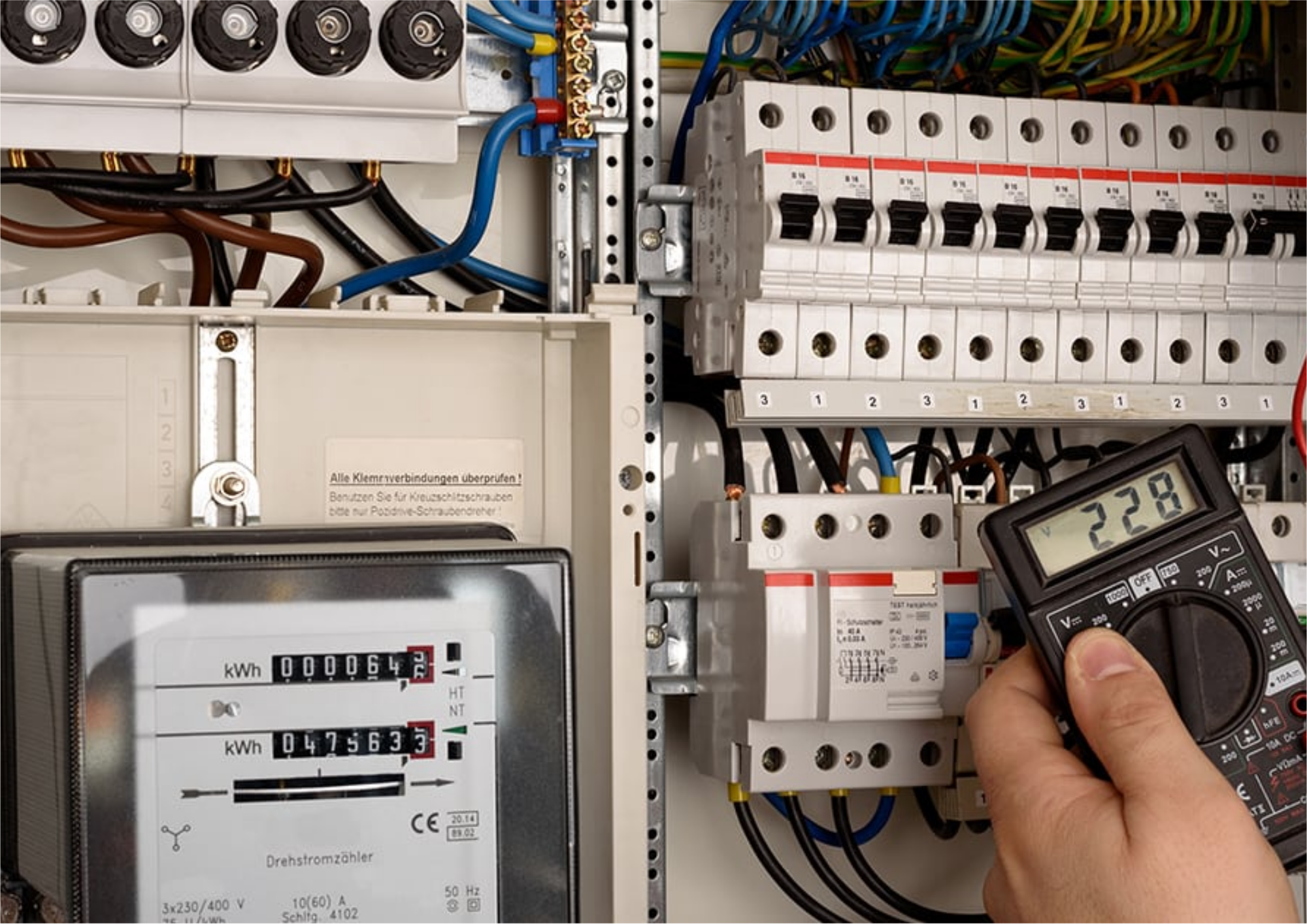
Common EICR Failures and How to Prevent Them
Electrical safety stands as a cornerstone of property maintenance, with Electrical Installation Condition Reports (EICRs) serving as the primary health check for…
Inspection & Testing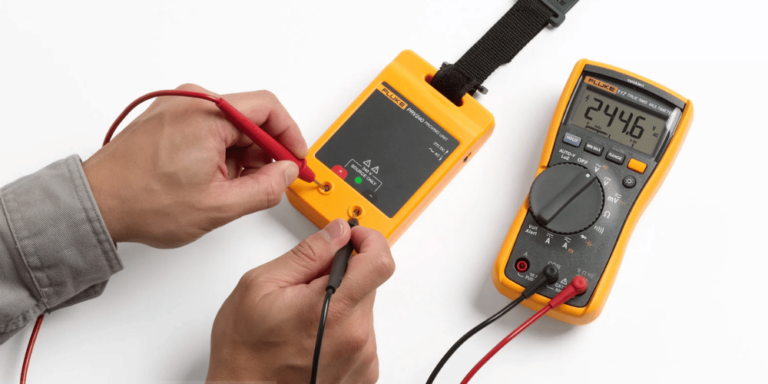
How to Test Electrical Outlet with Digital Multimeter
Testing electrical outlets is a crucial aspect of home maintenance and safety. Whilst it may seem daunting at first, using a digital…
Inspection & Testing
What is High Voltage Testing?
High voltage testing is a critical aspect of electrical safety and maintenance that requires specialised knowledge, equipment, and expertise. At DH Electrical,…
The work behind it
Electrical Inspection & Testing
Full Electrical Installation Condition Reports for landlords, homeowners and businesses, with the certificate issued within 24 hours and remedials priced up front.
Fuseboard Upgrades
Swapping out old rewireable fuses and tired boards for a modern RCBO unit, tested, certified and notified under Part P within 36 hours.
Landlord Electricians
EICRs, fire alarm testing and emergency lighting for rented property across Liverpool, booked around your tenants and certified the same week.
