


How Much Does Electrical Fault Finding Cost?
Most fault finding jobs come in somewhere between £80 and £200. That figure usually covers the call out and the first hour on site, which is enough to find and fix the majority of household faults. What it does not cover is…
Tell us what you need and we will come back to you the same working day.
 NAPIT ApprovedMember 66463
 Competent PersonRegistered, electrical
Quick answer
Most fault finding jobs land between £80 and £200, which usually buys the call out and the first hour on site. Awkward intermittent faults run higher because the time is in the tracing, not the fix.
Most fault finding jobs come in somewhere between £80 and £200. That figure usually covers the call out and the first hour on site, which is enough to find and fix the majority of household faults.
What it does not cover is the awkward ones. Intermittent faults, buried cable damage and anything involving a circuit that only misbehaves when it rains can run well past that, because the cost is in the hunting rather than the repair.
What you are actually paying for
This is the bit that catches people out. With most electrical work you are buying an outcome, like a new socket or a board swap. With fault finding you are buying time, because the job is diagnosis first and repair second.
Here is roughly how it breaks down around Liverpool and Liverpool in 2026.
| Type of fault | Typical cost | Usual time |
|---|---|---|
| Single dead socket or light | £70 to £120 | Under an hour |
| Breaker tripping, obvious cause | £80 to £150 | 1 hour |
| RCD tripping, cause not obvious | £120 to £250 | 1 to 3 hours |
| Intermittent fault, comes and goes | £200 to £400 | 2 to 4 hours, sometimes two visits |
| Buried cable damage, needs tracing | £250 to £500 | Half a day plus making good |
| Out of hours or weekend | 1.5 to 2x the day rate | Same |
Those are the ranges you would expect for a straightforward domestic job. London and the South East sit higher. Commercial sites vary more, because a three phase board in a unit with twenty circuits is a different proposition to a two bed terrace.
The honest answer is that nobody can price a fault properly over the phone, because until somebody tests it, nobody knows where it is.
Why the quote changes once somebody is on site
An electrician arriving at a tripping RCD has no idea yet whether the problem is a faulty kettle, water in an outside light, or a nail through a cable behind a skirting board put there in 1994.
The first job is splitting the installation down. Everything comes off, circuits go back on one at a time, and the fault is narrowed to a circuit. That part is usually quick. The slow part is working out where on that circuit the problem actually sits, which can mean lifting floorboards, pulling accessories off walls, and testing insulation resistance section by section.
Sometimes it takes twenty minutes. Sometimes the fault only shows up when the immersion heater has been on for an hour, and you are into a second visit.
The things that push the price up
Intermittent faults. A fault that is present all the time is far cheaper than one that appears twice a week. If the fault is not showing when the electrician is stood there, there is nothing to measure.
Old installations. Rubber or fabric insulated cable degrades everywhere at once, so you can chase one fault and find three more. On properties of that age, a condition report is usually better value than repeated fault finding.
No circuit chart. A board with unlabelled breakers adds half an hour before anybody has even started. Worth photographing yours once somebody has labelled it.
Access. Fitted kitchens, laminate flooring and boarded lofts all slow the job down. None of that is avoidable, but it does explain two quotes coming back differently.
Making good. Lifting a floor to replace damaged cable is electrical work. Putting the floor back nicely is not always included, so it is worth asking.
Is it cheaper to just rewire that circuit
Occasionally, yes, and a decent electrician will tell you when that is the case.
If a circuit is old, has already had two faults, and the cable is buried under a solid floor, there comes a point where chasing the fault costs more than running a new cable. The same goes for a board that keeps nuisance tripping because one RCD sits across half the house. Splitting that onto individual RCBOs often fixes the symptom permanently and costs less than three separate fault finding visits.
What a fair quote looks like
A good fault finding quote has three parts to it. A clear hourly or first hour rate, a statement of what happens if the fault is found quickly, and a statement of what happens if it is not.
What you want to hear is something like a fixed first hour, then charged in half hours after that, with the electrician ringing you before they carry on past an agreed point. What you do not want is an open ended day rate with no checkpoint.
Ask whether the price includes the repair or only the diagnosis. Ask whether a certificate is issued afterwards. And ask whether VAT is included, because a £110 hourly rate and a £132 hourly rate are the same number dressed differently.
What it costs on a rental or a commercial site
Two differences worth knowing if this is not your own house.
On a rental, the fault finding visit and the repair often get billed separately from any certificate, and landlords are sometimes surprised to get a minor works certificate on top. That is correct. If the repair alters the circuit, there is a document for it, and you want that document in the file because it evidences the work was done properly.
On commercial premises the hourly rate is usually higher, but the bigger variable is access. A fault on a circuit feeding a shop floor cannot always be chased during trading hours, so the job moves to an evening or a Sunday and the rate moves with it. Worth asking about when you book rather than when the invoice lands.
When fault finding turns into something else
Plenty of faults are a symptom rather than the problem. A circuit that trips when the shower runs, a socket that has browned around the pins, a board that buzzes. Those are the jobs where the fault finding visit ends with a conversation about the installation rather than a repair.
That is not an upsell, it is the honest answer. If the earthing arrangement is not up to it or the board has no RCD protection on circuits that need it, finding this particular fault has not made the place safe. It has found one of them.
Common questions
Will I still be charged if the electrician cannot find the fault?
Usually yes, because the time has still been spent. What you should expect is a written account of what was tested and ruled out, which has real value on the next visit. Anyone who spends three hours and hands you nothing has not done the job properly.
Can I find the fault myself first to save money?
Switching things off at the board and unplugging appliances one at a time is genuinely useful and costs nothing. If you can tell the electrician the trip only happens with the tumble dryer running, you have saved an hour. Go no further than that, because testing a live installation needs instruments and training.
How long does fault finding usually take?
Most domestic faults are found inside an hour or two. The outliers are intermittent faults and anything involving damaged buried cable, which can stretch to half a day or a second visit.
Does an EICR find faults as well?
It finds defects and codes them, but it is a different job. An inspection assesses the condition of the whole installation against the standard. Fault finding chases one specific problem that is happening now. If you are having repeated trips, the inspection is often the better place to start because it looks at everything.
Is it worth getting a fixed price?
For a defined repair, yes. For diagnosis, a fixed price usually means the electrician has built the worst case into the number, so you pay for the difficult version of the job whether you have one or not. Hourly with an agreed checkpoint is normally better value.
If something in your place keeps tripping and you want it traced rather than guessed at, that is what our electrical fault finding Liverpool service is for. Where the trouble turns out to be the board itself, you will find what is involved on our fuseboard upgrades Liverpool page. DH Electrical are NAPIT approved electricians Liverpool homeowners, landlords and agents call when they want the cause found properly the first time.
What this guide is based on
The standards, rules and job records behind the figures above.
- BS 7671:2018+A2:2022. The wiring regulations every inspection is coded against, so C1, C2 and C3 mean the same thing whoever carries out the test.
- NAPIT scheme rules. What an approved contractor has to hold, record and report, including the certification we issue after every job.
- Our own job records across Liverpool and Merseyside. The figures above come from work we have actually priced and carried out, not from a national average.
Checked on 18 November 2026 by Dave Harvey, NAPIT approved contractor, member 66463. Rules change, so if you are reading this a long way after that date, give us a ring and we will tell you where it stands.
Related reading

How Long Does a Landlord Have to Fix an Electrical Fault?
A tenant rings on a Friday night to say half the sockets have stopped working and there is a smell of burning…
Fault Finding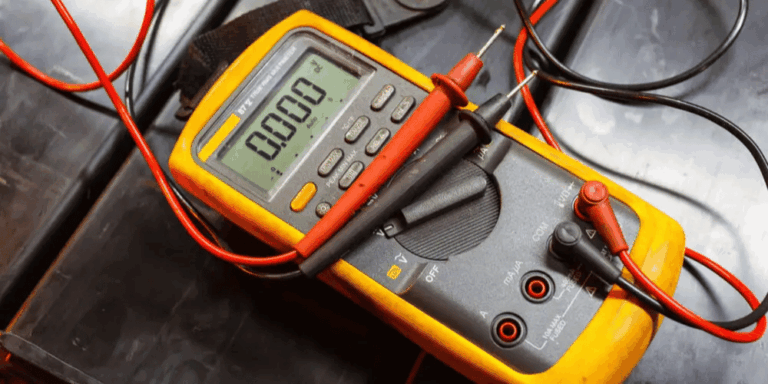
The Best Tools for DIY Electrical Fault Finding and How to Use Them
Encountering an electrical fault at home can be both frustrating and concerning. While many homeowners in Liverpool might immediately reach…
Fault Finding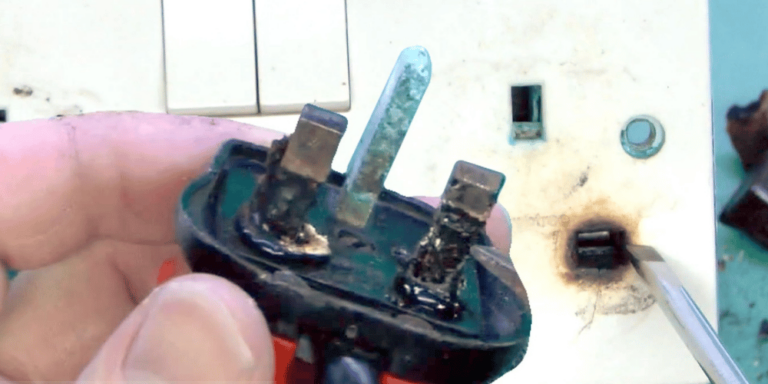
Why Your Plugs Keep Overheating and What to Do About It
Noticing your plugs are warm to the touch? This isn't something to ignore. Overheating electrical plugs aren't just an inconvenience – they…
The work behind it
Fault Finding
Tracing the circuit that keeps tripping, rather than guessing at it, and putting the fault right the same visit wherever we can.
Fuseboard Upgrades
Swapping out old rewireable fuses and tired boards for a modern RCBO unit, tested, certified and notified under Part P within 36 hours.
Electrical Inspection & Testing
Full Electrical Installation Condition Reports for landlords, homeowners and businesses, with the certificate issued within 24 hours and remedials priced up front.