


How to Properly Test Your Electrical Sockets and Protect Your Home
Having properly wired and functioning electrical sockets in your home is crucial for both convenience and safety. However, sockets can deteriorate over time or be incorrectly wired in the first place. Testing them regularly with a socket tester allows you to identify…
Tell us what you need and we will come back to you the same working day.
 NAPIT ApprovedMember 66463
 Competent PersonRegistered, electrical
Having properly wired and functioning electrical sockets in your home is crucial for both convenience and safety. However, sockets can deteriorate over time or be incorrectly wired in the first place. Testing them regularly with a socket tester allows you to identify and resolve any wiring issues before they become dangerous.
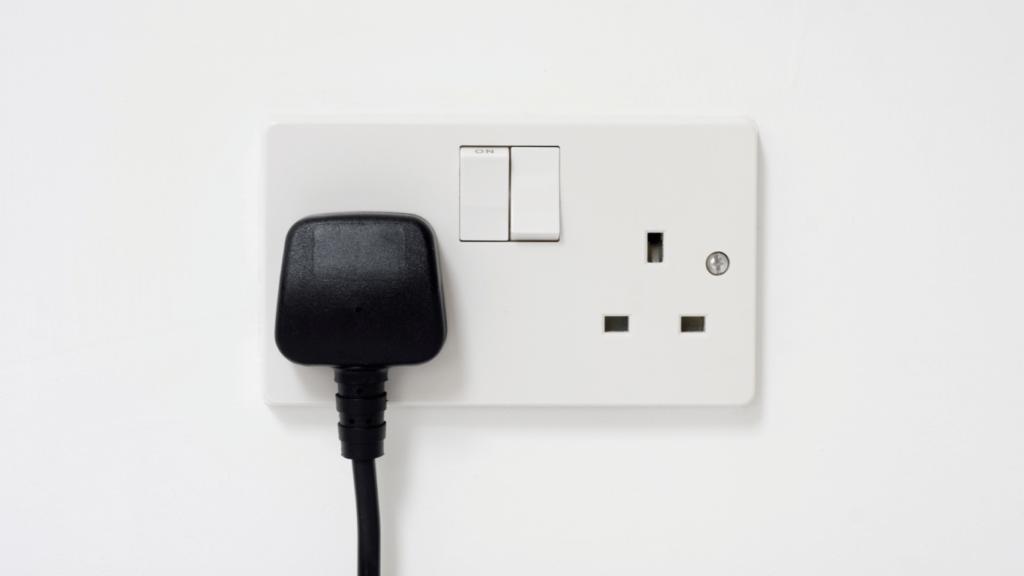
What Does a Socket Tester Do?
A socket tester is a compact, plug-in device that analyses the wiring of a mains electrical socket. Once inserted into the socket, its internal microprocessor checks for common wiring faults and displays the results through a series of LED lights and audible alerts.
The key things a socket tester checks are:
- Continuity – Current can flow properly through the live, neutral and earth wires
- Polarity – Live and neutral connections are wired to the correct terminals
- Earth faults – Missing or incorrect earth wire connection
- Resistance – How easily electrical current flows to earth (high resistance causes safety issues)
While a socket tester provides a quick wiring safety check, more advanced electrical testing equipment like a multimeter can detect less common faults too.
Why Test Electrical Sockets?
There are two important reasons to periodically test your home’s electrical sockets:
1. Check Existing Workmanship
When sockets are first installed, there may be wiring errors even if completed by a qualified electrician. Testing straight after new installations or alterations provides peace of mind that sockets function properly.
2. Identify Developing Faults
Over months and years of use, sockets experience natural wear and tear. Environmental conditions, electrical surges, vibration and accidental damage can also contribute to wiring faults developing over time. Testing allows you to identify and repair any socket issues before they escalate into safety hazards or cause appliance failures.
How to Use a Plug-In Socket Tester
Testing sockets is a quick and simple process thanks to compact, plug-in testers:
| Step | Description |
|---|---|
| 1 | Turn off the socket’s power at the consumer unit |
| 2 | Unplug any other devices using the socket |
| 3 | Insert the socket tester fully into the socket |
| 4 | Turn the socket’s power back on at the consumer unit |
| 5 | Check the tester’s LED display and listen for alert sounds |
| 6 | Consult the user guide to understand fault indications |
Tip: Repeat steps 1-6 to test all your home’s sockets systematically.
What Do the Lights and Sounds Mean?
Socket testers indicate wiring issues and electrical faults through various illuminated LED sequences, often paired with audible alerts.
Typical display meanings include:
- Green only = Socket correctly wired
- Red flashing = Fault detected – check user guide for specifics
- No lights = No power to the socket
Refer to your model’s included instructions to interpret the exact fault each light sequence represents. Some testers also estimate fault locations, show earth loop resistance readings or test RCD functionality.
Protect Your North-West Home with DH Electrical
While socket testers are simple for homeowners to operate, repairs identified during testing should be left to qualified electricians. DH Electrical offers a complete electrical inspection and testing service, including:
- Full electrical installation condition reports
- Whole house rewires and socket upgrades
- Portable appliance (PAT) testing
- Emergency call outs
Our expert NAPIT-registered electricians serve the North West area with high quality, reliable and affordable services.
Contact DH Electrical today on 07946 714436 for a quote or to answer your electrical safety questions.
• Read Also > What is 5 Year Electrical Testing?
• Read Also > What Happens if You Fail and Electrical Inspection?
What this guide is based on
The standards, rules and job records behind the figures above.
- BS 7671:2018+A2:2022. The wiring regulations every inspection is coded against, so C1, C2 and C3 mean the same thing whoever carries out the test.
- The Electrical Safety Standards in the Private Rented Sector (England) Regulations 2020. The five year inspection duty and the 28 day rule for giving tenants a copy of the report.
- NAPIT scheme rules. What an approved contractor has to hold, record and report, including the certification we issue after every job.
- Our own job records across Liverpool and Merseyside. The figures above come from work we have actually priced and carried out, not from a national average.
Checked on 8 August 2024 by Dave Harvey, NAPIT approved contractor, member 66463. Rules change, so if you are reading this a long way after that date, give us a ring and we will tell you where it stands.
Related reading

Common EICR Failures and How to Prevent Them
Electrical safety stands as a cornerstone of property maintenance, with Electrical Installation Condition Reports (EICRs) serving as the primary health check for…
Inspection & Testing
Understanding the Different Types of Electrical Certificates in the UK
Navigating the world of electrical certificates in the UK can feel like wading through a complex maze of regulations and paperwork. For…
Inspection & Testing
How to Test Electrical Outlet with Digital Multimeter
Testing electrical outlets is a crucial aspect of home maintenance and safety. Whilst it may seem daunting at first, using a digital…
The work behind it
Electrical Inspection & Testing
Full Electrical Installation Condition Reports for landlords, homeowners and businesses, with the certificate issued within 24 hours and remedials priced up front.
Fuseboard Upgrades
Swapping out old rewireable fuses and tired boards for a modern RCBO unit, tested, certified and notified under Part P within 36 hours.
Landlord Electricians
EICRs, fire alarm testing and emergency lighting for rented property across Liverpool, booked around your tenants and certified the same week.