

How to Tell If Your New Home Needs a Full Rewire
Moving into a new home brings excitement and fresh beginnings, but it might also bring electrical concerns, especially in older UK properties. Outdated or dangerous wiring isn’t just an inconvenience—it poses genuine safety risks to you and your family. Many homeowners miss…
Tell us what you need and we will come back to you the same working day.
 NAPIT ApprovedMember 66463
 Competent PersonRegistered, electrical
Moving into a new home brings excitement and fresh beginnings, but it might also bring electrical concerns, especially in older UK properties. Outdated or dangerous wiring isn’t just an inconvenience—it poses genuine safety risks to you and your family. Many homeowners miss crucial warning signs that their electrical system needs a complete overhaul, leaving potential hazards unaddressed.Let’s explore the key indicators that suggest your new home might need comprehensive electrical updating.

Here’s what to look for when assessing your new property:
Is Your Home’s Age a Factor?
The age of your property provides critical context when assessing electrical systems:
- Properties built before 1970 – Homes from this era often have outdated wiring systems that weren’t designed to handle modern electrical demands. The insulation materials used in older cables deteriorate over time, creating fire hazards.
- Properties from the 1970s-1990s – These may have partial updates but might still benefit from modernization, especially if the electrical system hasn’t been touched since construction.
- Recent properties (post-2000) – While generally safer, these homes aren’t immune to poor installation work or subsequent DIY modifications that compromise safety.
Remember that previous owners may have made amateur modifications to the electrical system, regardless of when the house was built. A history of DIY electrical work often necessitates professional intervention.
Do You Have an Outdated Electrical System?
Visual inspection of your electrical infrastructure can reveal significant clues:
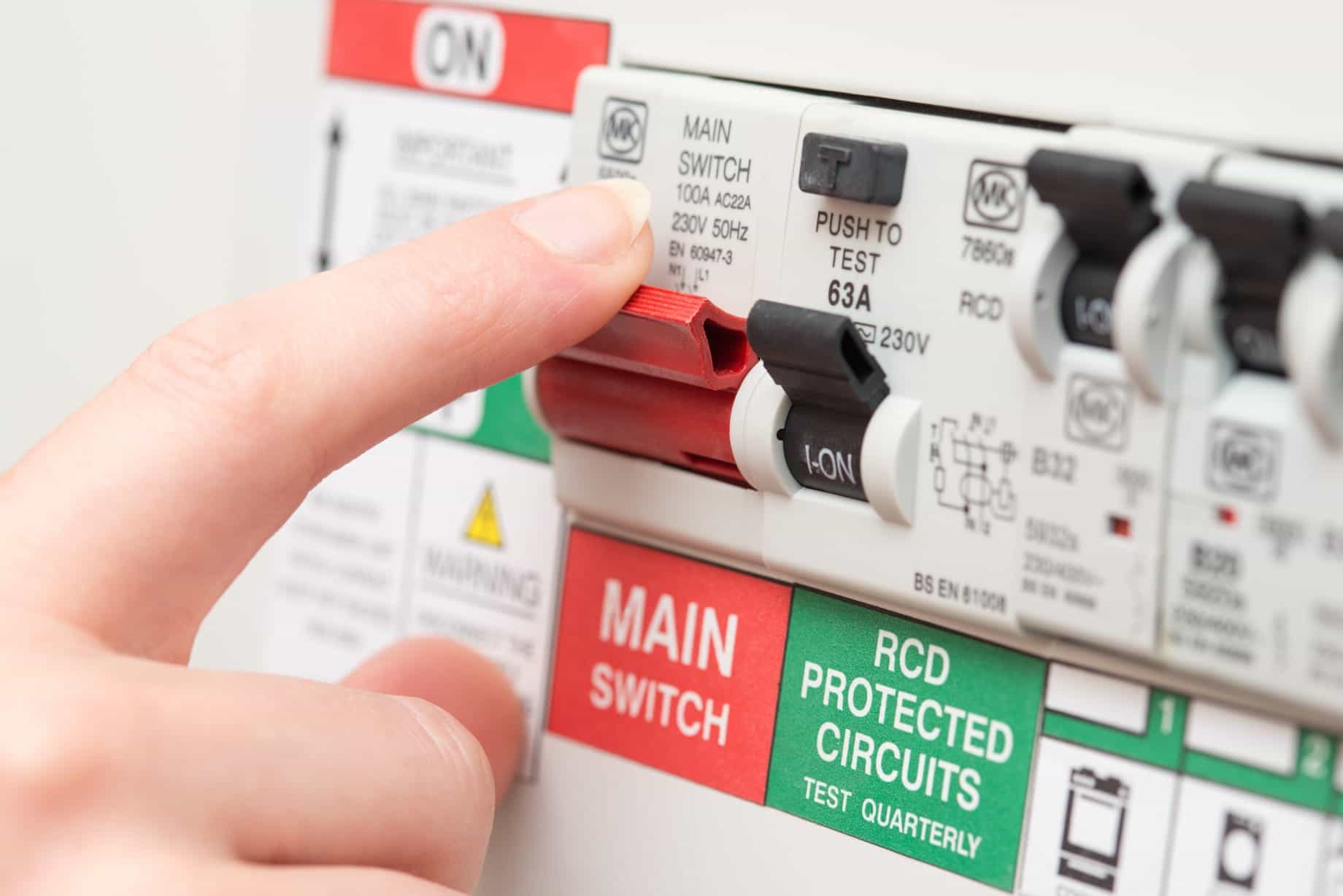
- Fusebox appearance – Modern consumer units feature circuit breakers and RCD protection. If your home has an old-style fusebox with ceramic fuses or cast iron switches, it’s almost certainly due for an upgrade. Modern units provide significantly better protection against electrical fires and shocks.
- Wiring types – Modern wiring uses PVC-insulated cables.These older materials deteriorate and become dangerous over time.
- Socket and switch styles – Round pin sockets, black round light switches, or a limited number of outlets throughout the house suggest outdated electrical systems. Modern homes typically require many more power points than were standard decades ago.
During property viewings or in your new home, check the loft, under floorboards, and behind furniture for exposed wiring that might reveal the age and condition of your electrical system.
Are There Visible Warning Signs?
Keep an eye out for these concerning physical indicators:
- Scorch marks around sockets or switches – These are serious red flags indicating potential fire risks from overheating connections. Even minor discoloration warrants immediate professional assessment.
- Cracked, damaged or loose outlets – Broken fixtures expose wiring and create shock hazards while allowing dust and debris to enter, increasing fire risk.
- Buzzing or crackling sounds – Electrical systems should operate silently. Any unusual sounds from outlets, switches or the consumer unit suggest potentially dangerous faults within the wiring.
- Burning smells – Electrical burning has a distinctive odor. If you detect this smell, particularly near outlets or the fuseboard, it requires urgent professional attention as it indicates active overheating.
These visual warning signs shouldn’t be ignored—they often indicate serious problems that extend beyond the visible components into the wiring hidden within your walls.
Have You Noticed Unusual Electrical Behavior?
The way your electrical system performs provides crucial insights:
- Frequently tripping circuit breakers – While occasional trips happen, regular circuit breaker activation suggests your wiring can’t safely handle your household’s electrical demands.
- Flickering or dimming lights – This common problem often indicates loose connections or wiring that’s deteriorating within your walls. When lights flicker without apparent cause (like appliances switching on), it’s time to investigate.
- Mild shocks from appliances or switches – Even minor shocks indicate serious grounding issues or insulation failures in your electrical system. Never dismiss these as normal—they’re clear danger signals.
- Appliances not performing correctly – Underperforming appliances might indicate voltage issues stemming from wiring problems, especially if multiple devices are affected.
If you’re experiencing multiple issues from this list, a comprehensive assessment by a qualified electrician is essential. These symptoms typically indicate system-wide problems rather than isolated faults.
Why Is a Professional Electrical Inspection Critical?
While visual checks help identify potential issues, only a professional inspection can comprehensively assess your electrical system’s safety and compliance with current regulations. Electrical Inspection & Testing provides definitive answers about your home’s wiring condition.
What Does an EICR Tell You About Your Home?
An Electrical Installation Condition Report (EICR) is the gold standard for electrical assessment in UK homes:
- Safety assessment – The inspector examines your entire electrical system for dangerous faults and fire risks, providing peace of mind or highlighting critical issues.
- Compliance verification – The report confirms whether your installation meets current British Standards (BS 7671), helping you understand if your system needs upgrading to meet modern safety requirements.
- Detailed fault identification – Beyond identifying obvious problems, the inspection detects hidden issues within walls and under floors that might otherwise remain undetected until they cause damage.
- Prioritized recommendations – EICRs classify issues from C1 (danger present, requiring immediate action) to C3 (improvement recommended), helping you prioritize necessary work.
For new homeowners, an EICR provides a baseline understanding of your electrical system’s condition and highlights any immediate dangers requiring attention. This professional assessment is particularly valuable when buying older properties without recent electrical documentation.
Who Should Perform Your Electrical Inspection?
Electrical inspections and potential rewiring work must be completed by qualified professionals:
- NAPIT or other scheme-registered electricians – Registration with recognized bodies like NAPIT indicates the electrician meets industry standards for competence and regular assessment.
- Experience with your property type – Different buildings present unique challenges; electricians experienced with your specific type of property (period homes, listed buildings, etc.) bring valuable specialized knowledge.
- Local knowledge – Electricians familiar with homes in your area often understand common issues specific to local housing stock and building methods.
Professional electricians can also perform targeted Fault Finding
Understanding what a House Rewire entails helps you prepare for this significant project:
Several factors influence the project timeline:
- Property size
- Property condition – Homes with easy access to floorboards and loft spaces generally allow faster work than properties with concrete floors or limited access points.
- Occupancy during worksVacating the property typically enables faster completion.
- Complexity of installation – Modern requirements for circuit separation, specialized circuits for kitchens/bathrooms, and additional features like smart home wiring add time to the project.
Professional electricians provide realistic timeframes based on your specific property and requirements, allowing you to plan accordingly for this disruptive but essential work.
What Disruption Should You Expect?
Full rewiring is an invasive process that impacts your entire home:
- Access requirements – Electricians need to lift floorboards, cut channels in walls, and access ceiling voids to run new cables throughout the property. This creates significant dust and disruption.
- Power interruptions – You’ll experience periods without electricity during the works, though phased approaches can minimize complete outages.
- Redecoration needs – Wall chasing for new wiring requires subsequent plastering and decoration. Budget and plan for this additional work after the electrical installation is complete.
- Temporary living arrangements
While disruptive, proper planning with your electrician can minimize inconvenience.
Budgeting appropriately helps you prepare for this significant investment:
What Factors Affect the Cost?
Rewiring costs vary based on several key factors:
- Property size – Larger homes with more rooms require more materials and labor, increasing costs proportionally. A one-bedroom flat might cost £2,500-£4,000, while a four-bedroom house could range from £6,000-£10,000+.
- Accessibility
- Specification level
- Regional variations – Labour costs vary across the UK, with London and Southeast typically commanding premium rates compared to northern regions.
Quality electrical contractors provide detailed quotations breaking down costs for materials, labour, testing and certification. Beware of quotes significantly below average, as these may indicate corners being cut on materials or safety standards.
Despite the significant cost, rewiring offers substantial benefits:
- Safety improvements – Modern electrical systems dramatically reduce fire and shock risks, protecting your family and property.
- Property value enhancement – Up-to-date electrical systems with certification add marketable value and attract buyers when selling.
- Insurance benefits – Many insurers offer reduced premiums for homes with recently certified electrical systems, recognizing the lower risk profile.
- Capacity for modern demands – New wiring supports today’s high-demand devices and provides adequate socket quantities for contemporary lifestyles.
In some circumstances, complete rewiring isn’t necessary:
- Recent previous upgrades
- Room-specific renovations – When renovating individual rooms like kitchens or bathrooms, updating just those circuits might be sufficient if the rest of the property has sound wiring.
- Budget constraints
Sometimes, targeted upgrades like Fuseboard Upgrades
Consider these drawbacks before opting for partial solutions:
- System incompatibilities – Mixing new and old wiring can create complications with circuit protection and earthing arrangements if not carefully planned.
- Repeated disruption
- Potentially higher long-term cost
- Mixed certification
Get Expert Electrical Assessment for Your New Home
Moving into a new home represents the perfect opportunity to ensure your electrical systems are safe, compliant, and fit for purpose. The warning signs we’ve discussed shouldn’t be ignored—they often indicate serious safety issues that require professional attention.
At DH Electrical Services, our NAPIT approved technicians provide comprehensive electrical assessments for homeowners across Liverpool and the North West.From initial fault findingWe also offer additional services including LED lighting installation and WiFi security alarmsDon’t wait for electrical problems to become emergencies. Contact our team on 07936 250380 today for a no-obligation assessment of your new home’s electrical system. Our Liverpool-based electricians are ready to help ensure your property meets modern safety standards while providing the capacity for today’s electrical demands.
What this guide is based on
The standards, rules and job records behind the figures above.
- BS 7671:2018+A2:2022. The wiring regulations every inspection is coded against, so C1, C2 and C3 mean the same thing whoever carries out the test.
- NAPIT scheme rules. What an approved contractor has to hold, record and report, including the certification we issue after every job.
- Our own job records across Liverpool and Merseyside. The figures above come from work we have actually priced and carried out, not from a national average.
Checked on 28 February 2025 by Dave Harvey, NAPIT approved contractor, member 66463. Rules change, so if you are reading this a long way after that date, give us a ring and we will tell you where it stands.
Related reading

How Long Does an EICR Take?
Usually two to four hours for a normal house. But that range hides a lot, and if you are planning a void…
Landlords
Do You Need a New EICR for Every New Tenancy?
This is one of the most common things landlords get wrong, and it costs them money. A tenancy ends, a new one…
Landlords
How to Spot a Fake or Invalid EICR
There is a trade in worthless EICRs, and landlords are the target. Some are outright forgeries. More often they are real documents…
The work behind it
Electrical Inspection & Testing
Full Electrical Installation Condition Reports for landlords, homeowners and businesses, with the certificate issued within 24 hours and remedials priced up front.
Landlord Electricians
EICRs, fire alarm testing and emergency lighting for rented property across Liverpool, booked around your tenants and certified the same week.
Fuseboard Upgrades
Swapping out old rewireable fuses and tired boards for a modern RCBO unit, tested, certified and notified under Part P within 36 hours.