


If you’ve recently taken on responsibility for a commercial building, HMO, or any property with a fire alarm system, you might be wondering what fire alarm testing actually involves. It’s a fair question. Many building owners and property managers find themselves responsible for systems they’ve never had to think about before.
This guide breaks down the basics without drowning you in technical jargon. By the end, you’ll know what fire alarm testing means, why it matters, and who needs to make sure it happens.
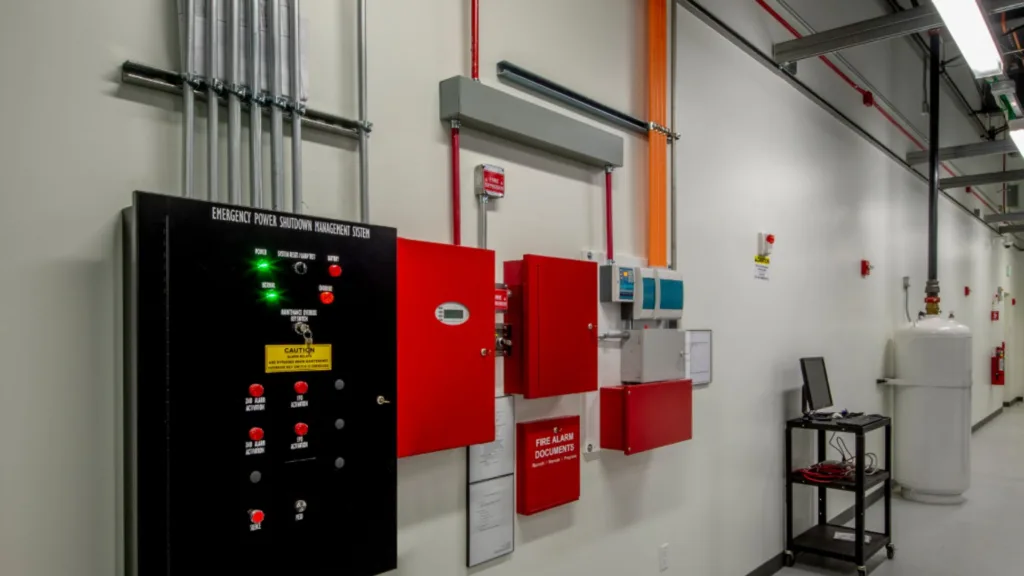
What Is Fire Alarm Testing?
Fire alarm testing is exactly what it sounds like. It’s the process of checking that every part of your fire detection and warning system works properly. That means confirming the alarms will actually sound when there’s a fire, and that everyone in the building will hear them clearly.
Think of it like checking the batteries in a torch before a power cut. You don’t want to find out something’s broken when you really need it to work.
A fire alarm system has several components working together. There are detectors that sense smoke or heat. Call points let people manually trigger the alarm. Sounders make the noise that warns everyone to get out. And the control panel ties everything together, showing which zones have activated and logging system events.
Testing confirms each of these elements does its job. It’s not about ticking boxes for paperwork’s sake. It’s about making sure people can evacuate safely if the worst happens.
Why Fire Alarm Testing Matters
Life Safety Benefits
Fire spreads faster than most people realise. In a building fire, you might have just minutes to get everyone out. A working alarm system gives people that early warning. It’s often the difference between a safe evacuation and a tragedy.
When systems aren’t tested regularly, faults go unnoticed. A detector might fail silently. A sounder could stop working without anyone knowing. Testing catches these problems before they become dangerous.
Legal Requirements Under Fire Safety Order 2005
In England and Wales, the Regulatory Reform (Fire Safety) Order 2005 places clear duties on the “Responsible Person” for any non-domestic premises. That’s typically the building owner, employer, or managing agent.
The law requires you to maintain fire-warning systems in efficient working order. Testing provides evidence that you’re meeting this obligation. If something goes wrong and you can’t show proper maintenance records, the consequences can be severe. We’re talking fines, prosecution, and in serious cases, imprisonment.
Insurance Implications
Your building insurance almost certainly includes requirements around fire safety systems. Insurers expect documented evidence of regular maintenance and testing. Without it, you could find a claim rejected when you need it most. Some policies become void entirely if you can’t prove compliance.
What’s Typically Involved in Fire Alarm Testing?
At a high level, fire alarm testing covers several key areas. Engineers will activate call points to confirm they trigger the system correctly. They’ll check that sounders are loud enough throughout the building. Detectors get tested to ensure they respond to smoke or heat as designed.
The control panel gets attention too. Engineers verify that displays work properly, fault indicators show correctly, and the system logs events as it should. Backup batteries are checked because mains power isn’t guaranteed during a fire.
Zone charts also matter. These diagrams show which areas each zone covers, helping firefighters locate the source of an alarm quickly. If yours is missing or inaccurate, that’s a problem worth fixing.
Who Is Responsible for Fire Alarm Testing?
The Responsible Person holds ultimate accountability. In practice, this varies depending on the building. For commercial premises, it’s usually the employer or building owner. In HMOs, landlords carry the responsibility. Managing agents often take on these duties for larger properties.
You don’t have to do the testing yourself. Most Responsible Persons appoint competent contractors to handle maintenance and testing. What you can’t delegate is the legal responsibility itself. If testing doesn’t happen, it’s still your problem.
The Difference Between Testing, Inspection, and Maintenance
These three terms get mixed up constantly, but they mean different things.
Testing checks that everything works. Does the alarm sound when you press the call point? Do the detectors respond? Testing answers these questions.
Inspection looks at physical condition. Are detectors dirty? Is wiring damaged? Have any components deteriorated since the last visit? Inspection identifies problems that might not show up in functional tests.
Maintenance covers the actual repair and upkeep work. Cleaning detectors, replacing faulty parts, updating zone charts. It’s the hands-on work that keeps systems in good condition.
British Standard BS 5839-1 covers all three for non-domestic buildings. It sets out what good practice looks like for design, installation, and ongoing care of fire alarm systems.
Recording Your Fire Alarm Tests
Every test needs documenting. Your logbook should record the date and time of each test, what was checked, any faults discovered, and what remedial work was carried out. The name of whoever conducted the test matters too.
These records prove compliance if anyone asks. Fire officers can request them during inspections. Insurers may want to see them after an incident. Good documentation protects you when questions arise.
For professional fire alarm testing across Liverpool, Cheshire and the wider North West, our qualified team can help. Get in touch on 07936 250 380 or email [email protected] to discuss your requirements.