

What Is Included in a Fire Alarm Test? A Complete Guide for UK Commercial Properties & HMO Landlords
Managing fire safety in commercial buildings and HMOs requires more than good intentions. It demands proper testing procedures that meet British Standards. If you’re responsible for a property where people work or live, knowing exactly what professional fire alarm testing involves helps…
Tell us what you need and we will come back to you the same working day.
 NAPIT ApprovedMember 66463
 Competent PersonRegistered, electrical
Managing fire safety in commercial buildings and HMOs requires more than good intentions. It demands proper testing procedures that meet British Standards. If you’re responsible for a property where people work or live, knowing exactly what professional fire alarm testing involves helps you stay compliant and keep occupants safe.
Fire Alarm Testing Requirements Under UK Regulations
British Standard BS 5839-6: 2019 sets out clear expectations for fire detection and alarm systems in buildings. Property managers, landlords, and business owners carry legal responsibility for ensuring these systems work correctly. This isn’t optional guidance. It’s a legal obligation that fire services actively enforce.
Weekly testing forms the foundation of your compliance routine. However, the real depth of inspection comes during six-monthly and annual professional visits. These aren’t tasks you can tick off yourself with a quick button press. They require qualified engineers who can properly assess every component, document findings correctly, and certify that your system meets current standards.
For HMOs and commercial premises across the North West, getting this wrong creates serious problems. Insurance claims get rejected. Enforcement notices arrive. Worst case, people get hurt because equipment failed when it mattered most.
Weekly Testing Procedures Explained
Your weekly test follows a specific procedure that goes beyond simply hearing the alarm sound. Each week, a different manual call point needs activation. This rotation ensures every device gets checked throughout the year rather than testing the same unit repeatedly.
Before starting, the Alarm Receiving Centre must be notified so they don’t dispatch emergency services. The test begins by activating a manual call point using the break glass mechanism or test key. Once triggered, the control panel should display the correct zone and device address. After confirming this information matches expectations, the alarm gets silenced and the system reset.
Recording each test in your fire alarm logbook matters just as much as performing it. The entry should note which call point was tested, the date, time, and outcome. Fire services will ask to see this documentation during inspections.
Six-Monthly Professional Inspection Components
Professional inspections at six-month intervals examine your system far more thoroughly than weekly checks allow. A qualified engineer will work through every element of your installation.
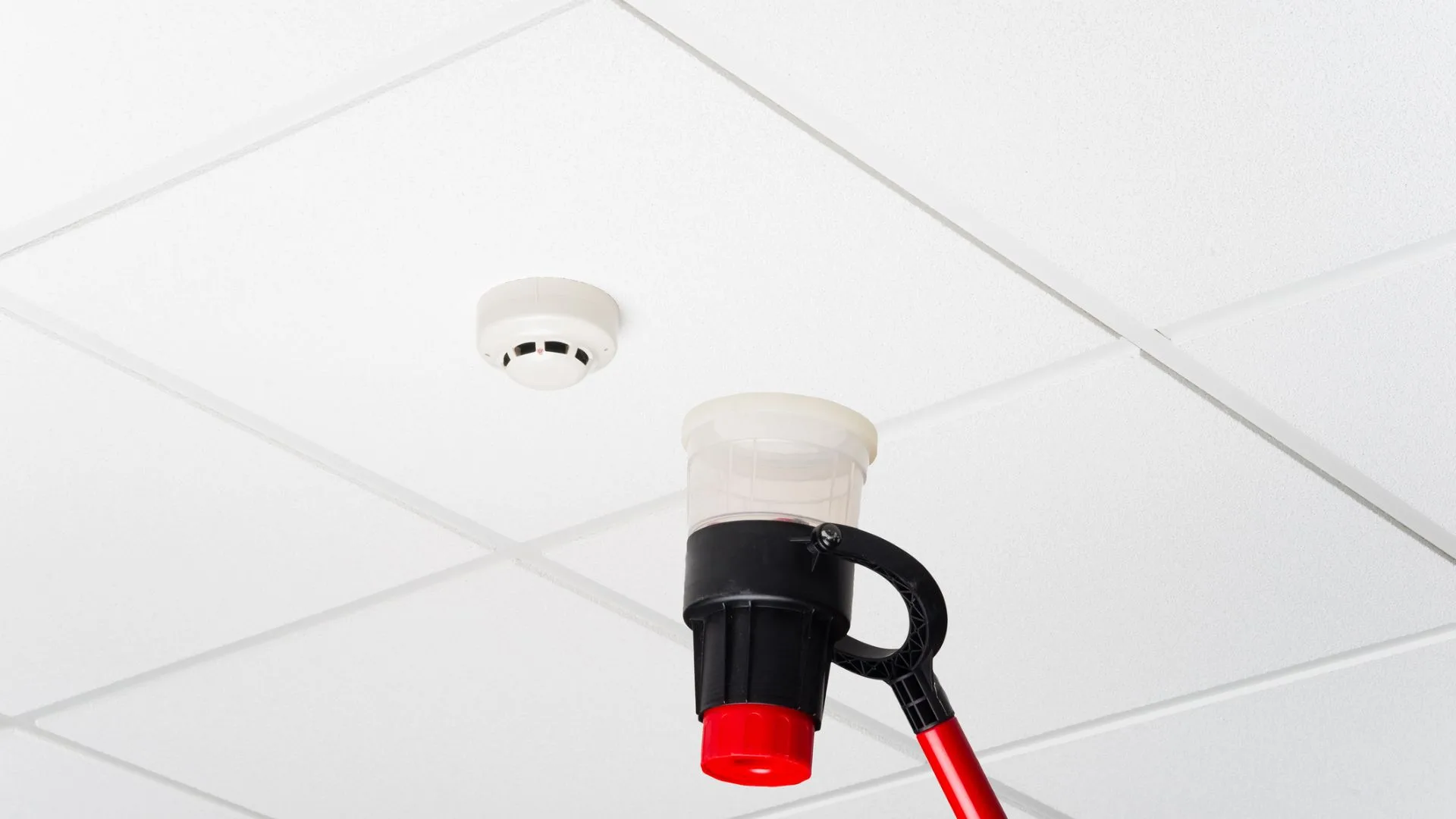
- Each smoke detector and heat detector gets individually tested to confirm proper sensitivity levels and response times, with any devices showing degraded performance flagged for replacement
- Sounders and visual alarm devices are checked across all zones to verify they produce adequate warning throughout the building, including areas with high ambient noise
- The control panel undergoes detailed inspection covering fault logs, battery condition indicators, zone configurations, and all programmable settings
- Backup batteries receive load testing to confirm they’ll maintain system operation during mains power failures, with capacity measured against manufacturer specifications
- All wiring connections get examined for security and signs of deterioration, particularly in older installations where cable degradation poses reliability risks
Annual Testing and Certification
The annual service builds on six-monthly work with additional checks and formal certification. Engineers assess the entire installation against current British Standards, identifying any aspects that no longer meet requirements due to regulation changes or building modifications.
Device fault reporting during annual visits provides documented evidence of system health. Any repairs or replacements get recorded alongside recommendations for improvements. This paperwork proves invaluable when dealing with insurers, licensing authorities, or prospective tenants conducting due diligence.
Logbook Documentation Standards
Your fire alarm logbook serves as the official record of system maintenance and must remain on premises at all times. Fire services expect immediate access during inspections.
- Every genuine alarm activation requires an entry noting date, time, cause identified, and actions taken in response
- Test records must specify which devices were checked, results observed, and the name of the person conducting or supervising the test
- Fault notifications need documenting alongside the remedial work completed, parts replaced, and engineer details
- Any system modifications, additions, or configuration changes require full documentation including reasons and authorisation
Getting Professional Testing Right
Property owners across Liverpool and Cheshire trust DH Electrical for fire alarm testing that keeps them compliant without hassle. Our engineers hold current qualifications and deliver the thorough inspections your building requires.
Whether you manage HMOs, offices, retail units, or industrial premises in the North West, proper fire alarm testing protects your occupants and your interests. Get in touch with our team of electricians in Liverpool or electricians in Cheshire to arrange your next inspection.
Contact us today on 07936 250380 or email [email protected] to book your six-monthly or annual fire alarm test.
What this guide is based on
The standards, rules and job records behind the figures above.
- BS 5839-1 and BS 5839-6. The British Standards that set the grade and category of system a building needs, and how often it has to be serviced and tested.
- The Regulatory Reform (Fire Safety) Order 2005. The duty on the responsible person to keep the alarm maintained and the records available for a fire officer to see.
- HMO licence conditions across Liverpool and the surrounding councils. What the licensing team asks for at inspection, which is usually the logbook and the last certificate.
- Our own job records across Liverpool and Merseyside. The figures above come from work we have actually priced and carried out, not from a national average.
Checked on 16 January 2026 by Dave Harvey, NAPIT approved contractor, member 66463. Rules change, so if you are reading this a long way after that date, give us a ring and we will tell you where it stands.
Related reading

Smoke and Carbon Monoxide Alarm Rules Every Landlord Should Know
The alarms on the ceiling can feel like a small detail next to everything else you sort as a landlord. They are…
Fire Alarm Testing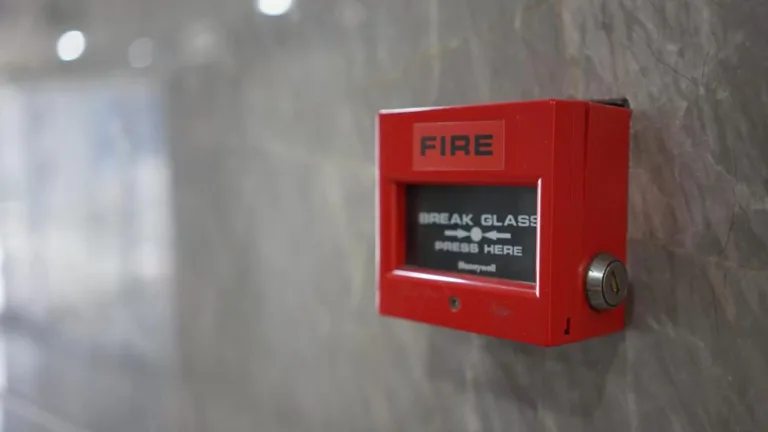
UK Fire Alarm Testing Regulations Explained: BS 5839, Legal Duties and Who’s Responsible
Fire alarm testing sits at the heart of building safety across the UK. Whether you manage an HMO, run a commercial premises,…
Fire Alarm Testing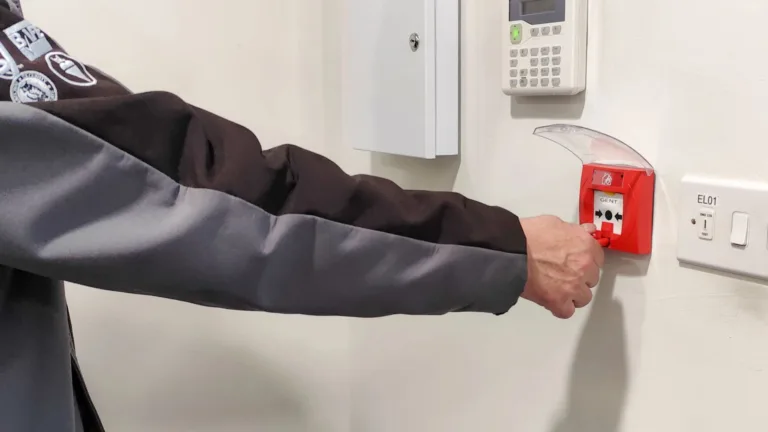
How Often Should You Test Fire Alarms in the UK — Compliance, Frequency & Best Practices
A fire alarm sitting silently on the ceiling does nothing if the batteries have failed or the sensors have become clogged with…
The work behind it
Fire Alarm Testing
Six monthly and annual servicing for commercial premises and HMOs, with the logbook filled in and the certificate issued on the day.
Emergency Light Testing
Monthly function checks and the annual three hour duration test, recorded properly so an inspector can see the system has been maintained.
HMO Electricians
The full set of certificates a licensed HMO needs, from the EICR to the alarm and emergency lighting records the council asks to see.